Montjuïc
- Address
- Castell de Montjuïc, Carretera de Montjuïc 66, 08038 Barcelona
- Metro
- Espanya (L1, L3) for the museum side; Paral·lel (L2, L3) for the Montjuïc funicular
- Price
- Hill and gardens free; castle €12; cable car return from around €17 online (2026)
- Hours
- Castle daily 10:00–20:00 (Mar–Oct), 10:00–18:00 (Nov–Feb); closed 25 Dec and 1 Jan
- Links
- Official website · Open map
Montjuïc is the flat-topped hill that rises behind Plaça d'Espanya and drops straight into the commercial port. Barcelona has used it for almost everything: a quarry, a fortress to keep the city in line, the site of the 1929 International Exposition and then the main stage of the 1992 Olympics. What is left is a big green hill with a lot on it and a good deal of walking between the pieces.
Start at the top. The Castell de Montjuïc is an 18th-century star fort with a dark history as a military prison and execution site, including that of Catalan president Lluís Companys in 1940. The exhibition inside is modest; the reason to pay the €12 is the walk around the ramparts, with the container port and the sea on one side and the whole city on the other. Entry is free on Sundays after 15:00 and all day on the first Sunday of the month, and tickets are sold through the castle's own website.
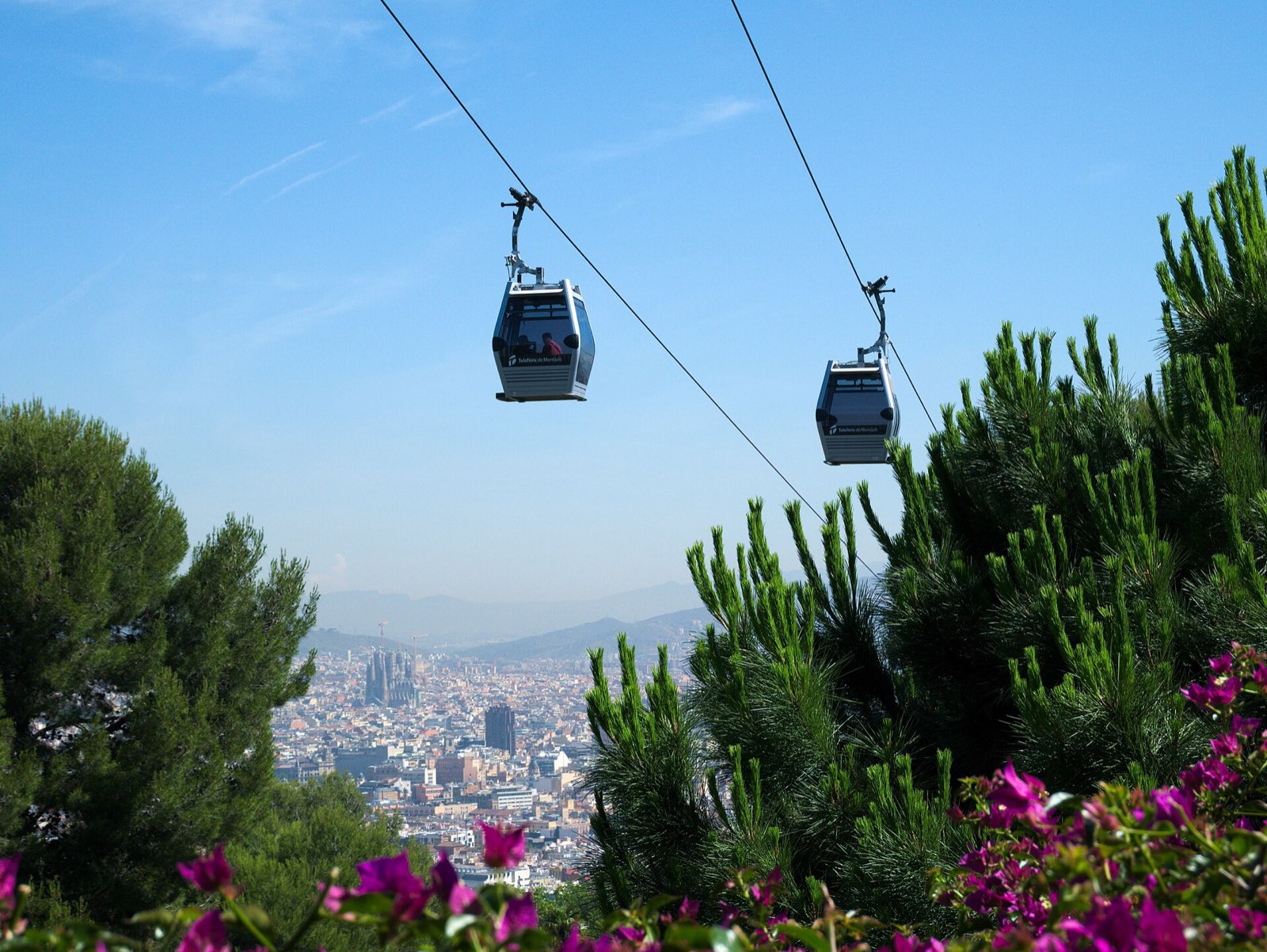
Getting up is half the point. The Telefèric de Montjuïc runs gondolas from beside the upper funicular station to the castle gate, with a stop at the Mirador de l'Alcalde on the way. A return costs €17.10 online or €19 at the window in 2026, and a single is €12. The funicular from Paral·lel metro, back in service since April 2026 after a long closure for sewer works, is part of the metro network and included in a normal ticket. If the cable car price annoys you, bus 150 from Plaça d'Espanya goes to the castle on the same ordinary fare.
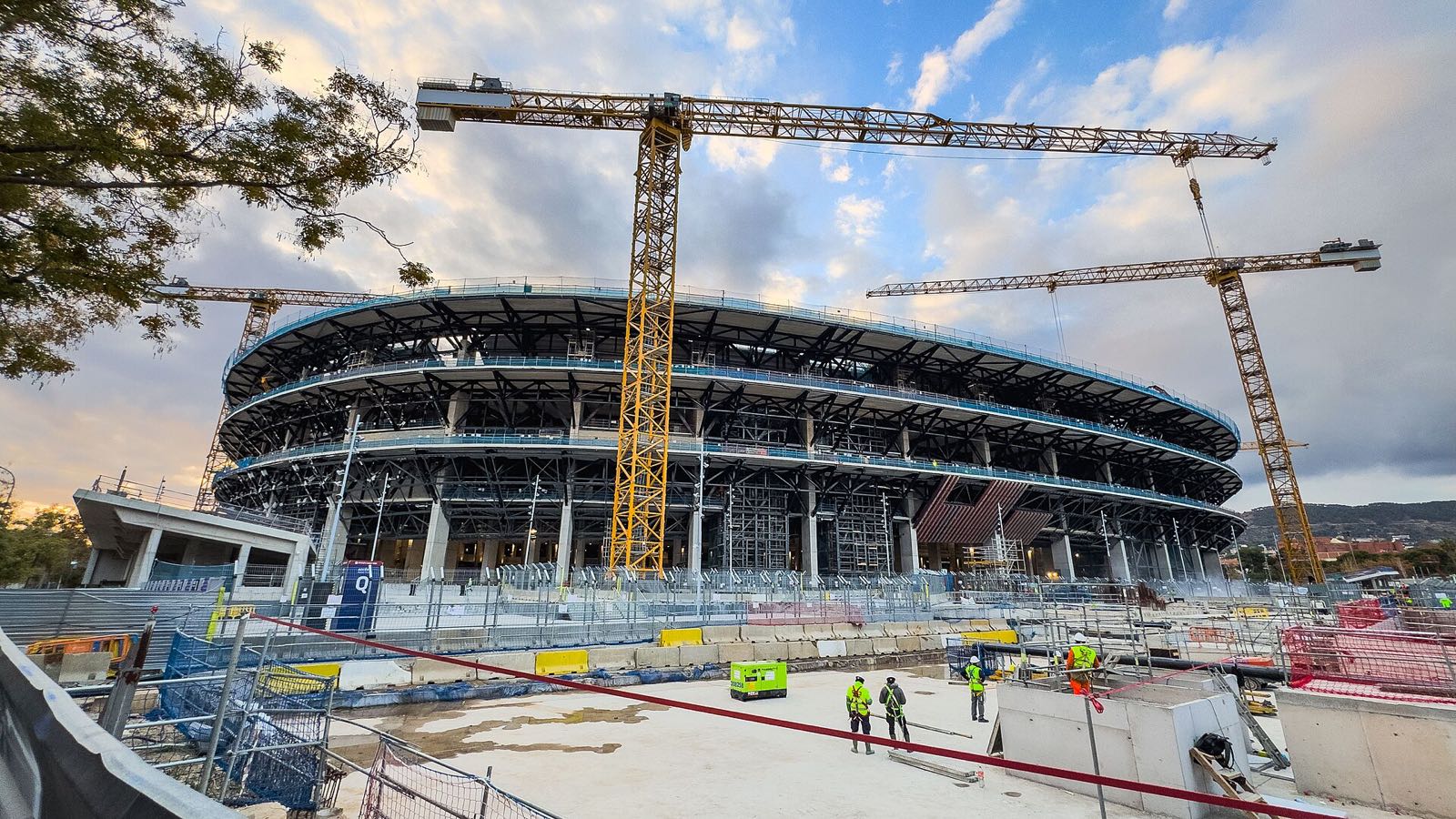
Halfway down sits the Anella Olímpica: the Estadi Olímpic Lluís Companys, where FC Barcelona played while their own ground was rebuilt, the Palau Sant Jordi arena and Santiago Calatrava's white communications tower. The esplanade is open and free to wander. A short walk away is the Fundació Joan Miró, the best single-artist museum in the city after the Picasso Museum.
The gardens are the quiet part. The Jardins de Mossèn Costa i Llobera, on the seaward cliff, are planted with cacti and succulents and look over the harbour. The Jardí Botànic covers the slope behind the stadium. Both are good places to lose the crowds for an hour.
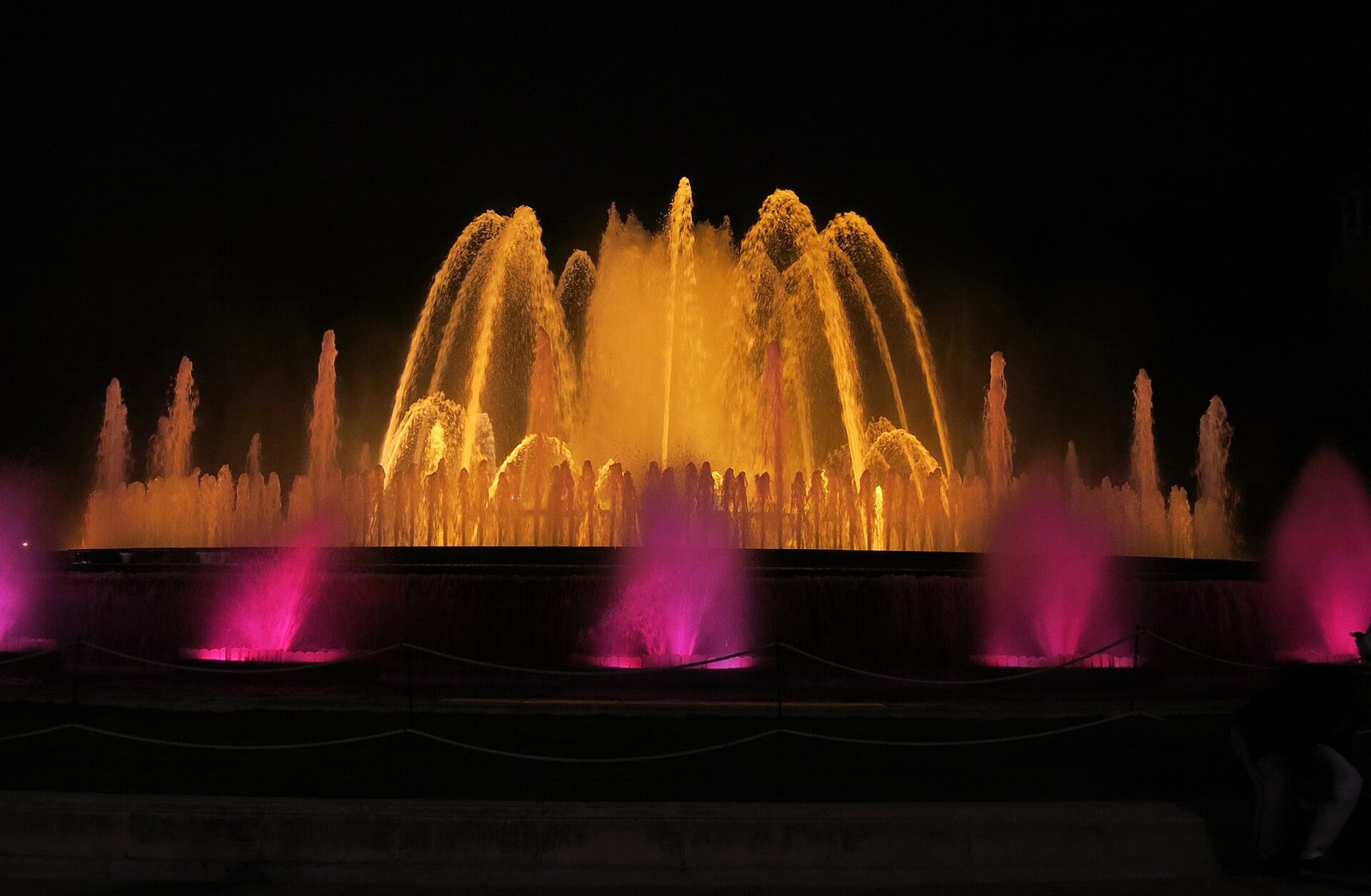
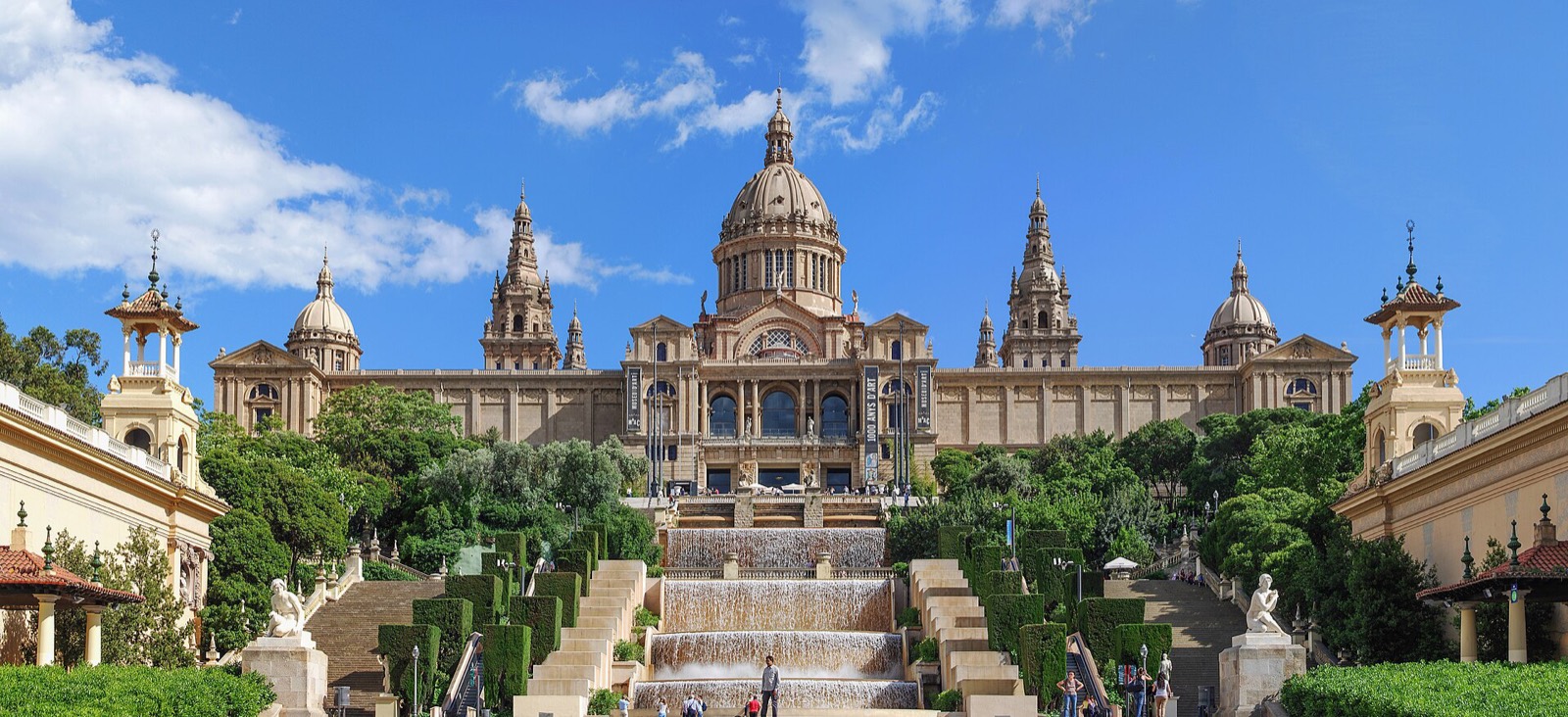
On the city side the hill ends in the big set piece from 1929: the Palau Nacional, home of MNAC, with the Magic Fountain at its feet and the Poble Espanyol open-air village to one side.
A sensible plan is to ride up to the castle in the morning, walk down through the gardens and the Olympic ring, and finish at MNAC and the fountain steps in late afternoon. That is four to five hours with one museum. Wear proper shoes and carry water in summer: shade is patchy and cafés are far apart.
Why go
- Views. The castle ramparts give you the port, the sea and the full city grid in one circuit.
- Variety. Fortress, Olympic stadium, gardens and three serious museums share one hill.
- Space. Even in August the gardens are calm compared with the old town.
- Cheap access. The funicular and bus 150 cost no more than a metro ride.
 Keep in mind
- Distances. The sights are spread out and the hill is steep in places, so plan a route rather than improvising.
- Cable car price. Seventeen euros for a short ride is a lot; the bus reaches the same gate.
- Castle content. You are paying for the walls and the view, not for a rich museum.