Barcelona's big sights are worth the fuss, but almost all of them now run on timed tickets, so a little planning decides whether you spend your day inside Gaudí's buildings or outside them in a queue.
Amigo saysYes, the Sagrada Família is worth it. No, you can't just show up.Book the first slot of the morning for an empty nave, or the last two hours of the day, when the sun comes through the red and orange glass on the Passion side. Short of time? Skip the towers. The nave is the point.
The city's headline attractions fall into three groups that sit conveniently close together. The Gaudí buildings are mostly in the Eixample and Gràcia: the Sagrada Família, Casa Batlló and La Pedrera, with Park Güell up the hill. The old town packs the Gothic Quarter, the Cathedral, La Rambla and El Born into an area you can cross on foot in twenty minutes. The third group is the outdoor city: the beaches, Montjuïc and the hilltop viewpoints.
2026 has been an unusual year. The Sagrada Família reached its full height of 172.5 metres when the Tower of Jesus Christ was topped out in February, and the tower was blessed on 10 June, the centenary of Gaudí's death. Demand for tickets has been high all year. Meanwhile La Rambla is in the last months of a long rebuild, with the finished boulevard due to be inaugurated in February 2027, so expect some fencing there until then.
A sensible pace is two ticketed sights a day, one in the morning and one late afternoon, with the hours between spent walking, eating and sitting in squares. Three days covers the essentials on this page. If you have longer, add Hospital de Sant Pau, MNAC or a day trip to Montserrat, and use the evenings for our picks of restaurants and nightclubs.
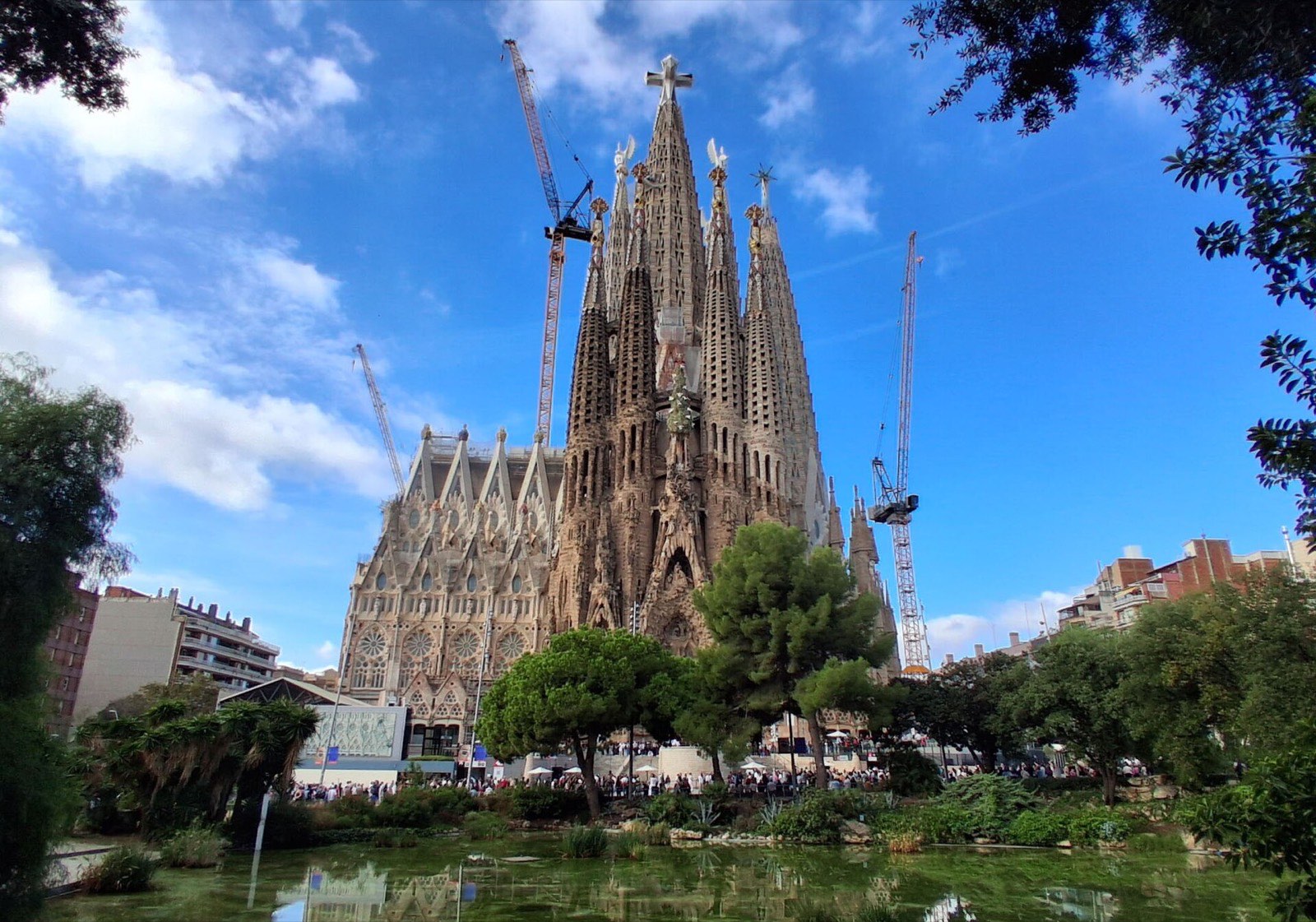
Gaudí's basilica reached its full height in 2026, 144 years after the first stone was laid: the central Tower of Jesus Christ now stands 172.5 metres tall. The exterior is extraordinary, but the reason to pay is the interior, a stone forest washed in coloured light. Tickets are online only and sell out days ahead.
Address: Carrer de Mallorca, 401, 08013 BarcelonaMetro: Sagrada Família (L2, L5)
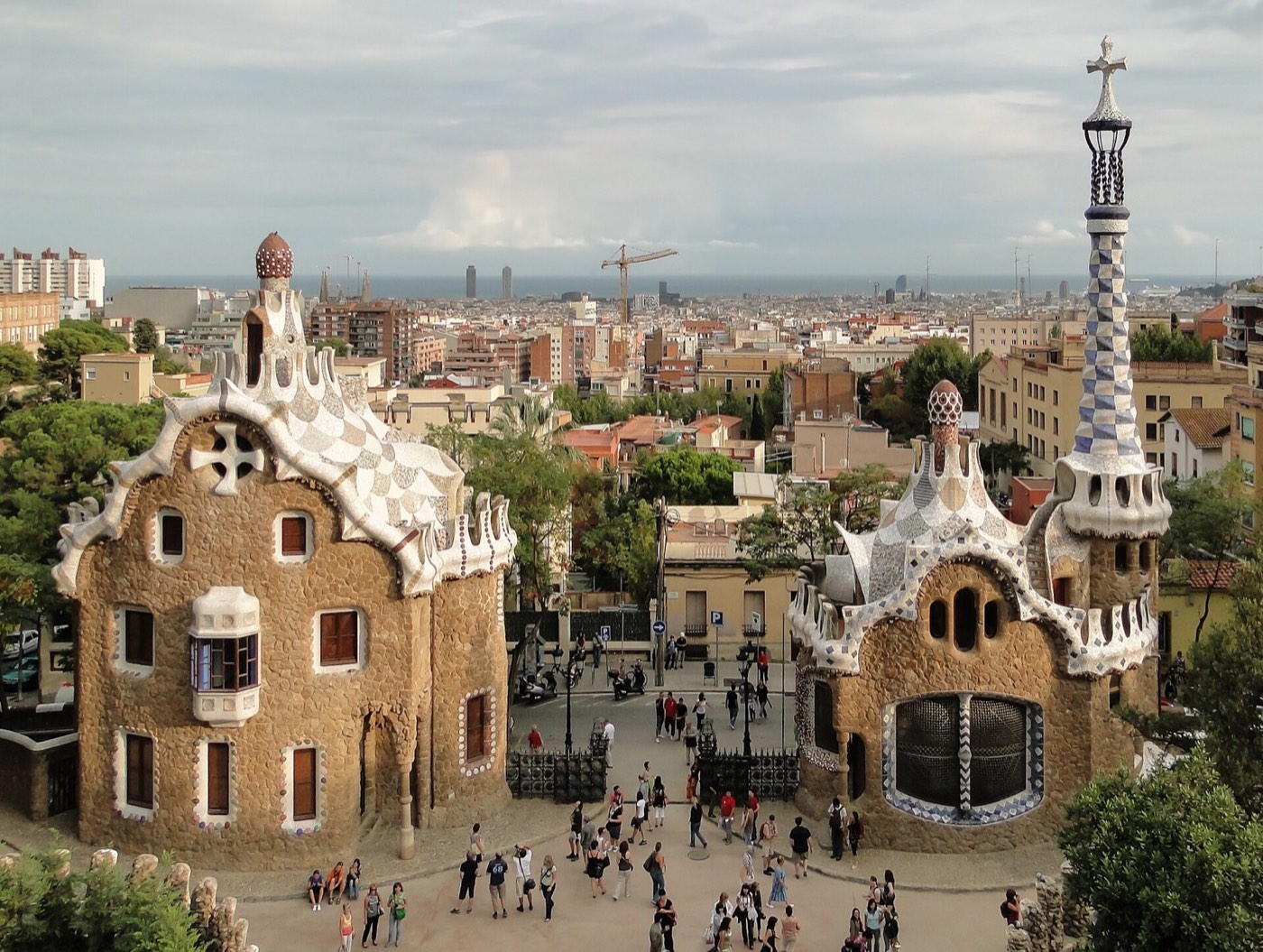
Gaudí's hillside park began as a failed luxury housing estate and ended up as the city's most photographed public space. The mosaic dragon, the wavy tiled bench and the gingerbread gatehouses are all here, along with wide views to the sea. Entry is by timed ticket only, and the €18 slots sell out in high season.
Address: Carrer d'Olot, s/n, 08024 BarcelonaMetro: Lesseps or Vallcarca (L3), each about a 20-minute walk
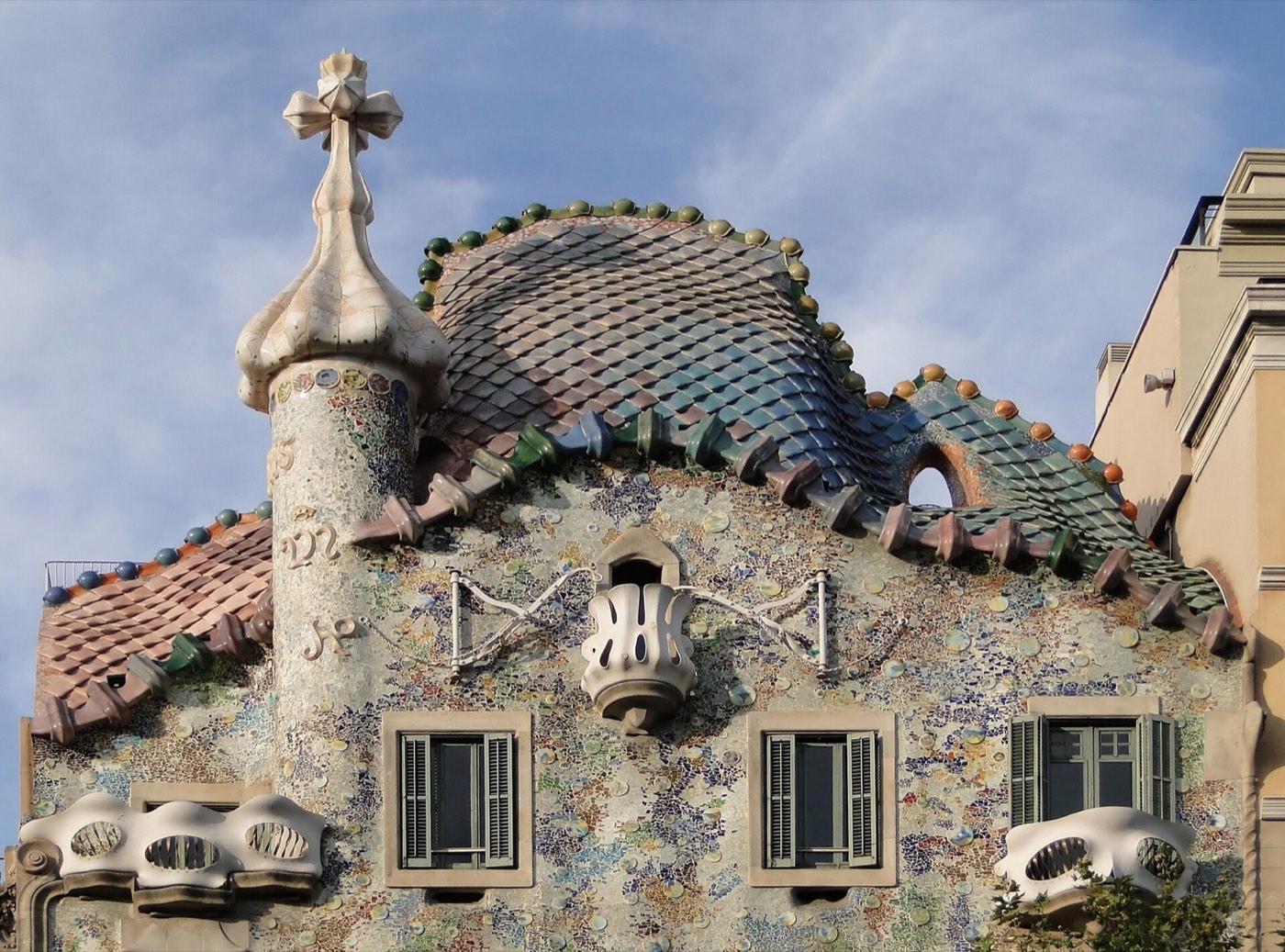
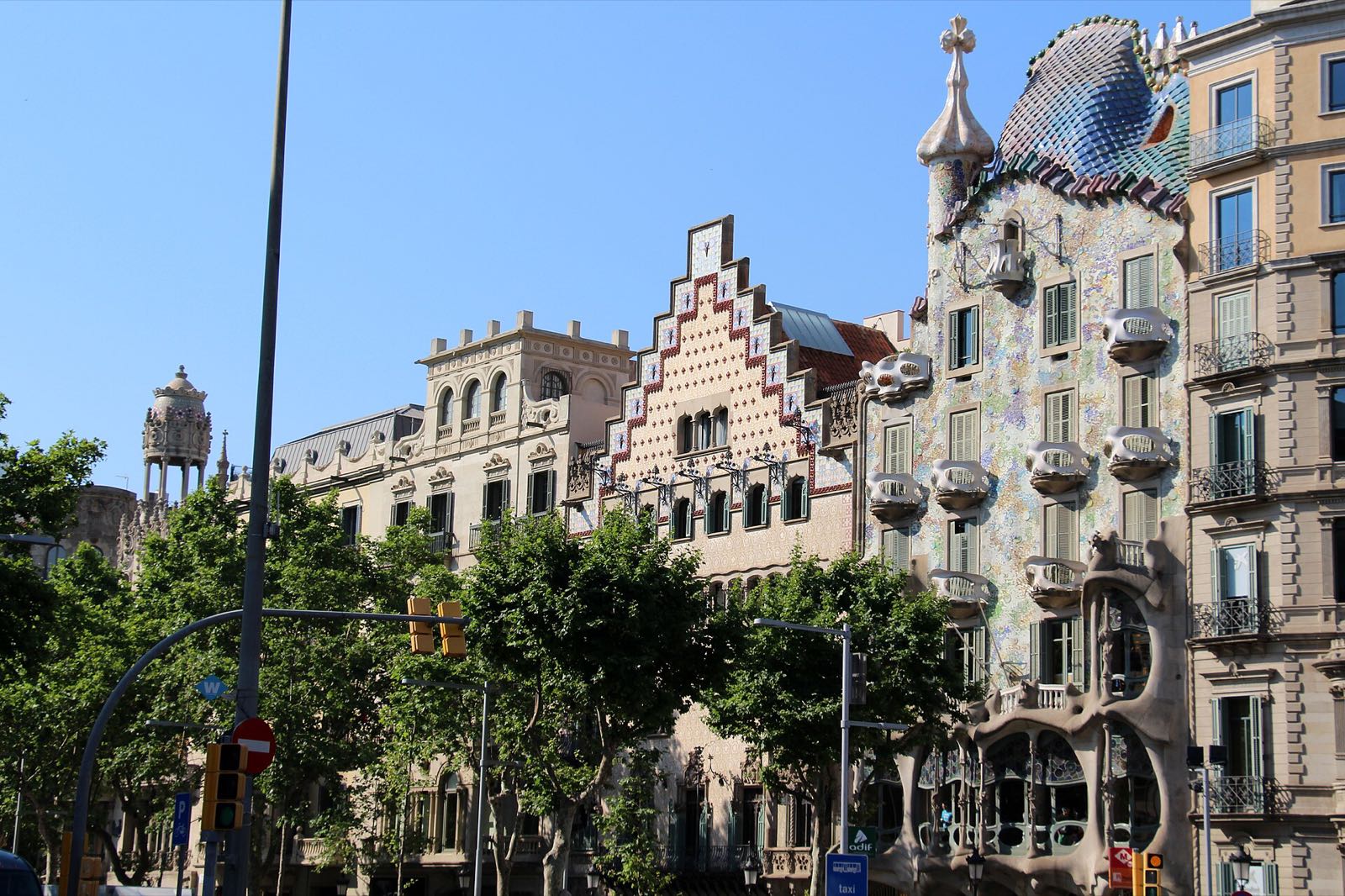
The most theatrical house on Passeig de Gràcia: a façade of bone-like balconies and shimmering tile under a roof shaped like a dragon's back. Inside there is hardly a straight line. It is expensive and busy, but the craftsmanship is astonishing. Book online in advance, where tickets are cheaper than at the door.
Address: Passeig de Gràcia, 43, 08007 BarcelonaMetro: Passeig de Gràcia (L2, L3, L4)
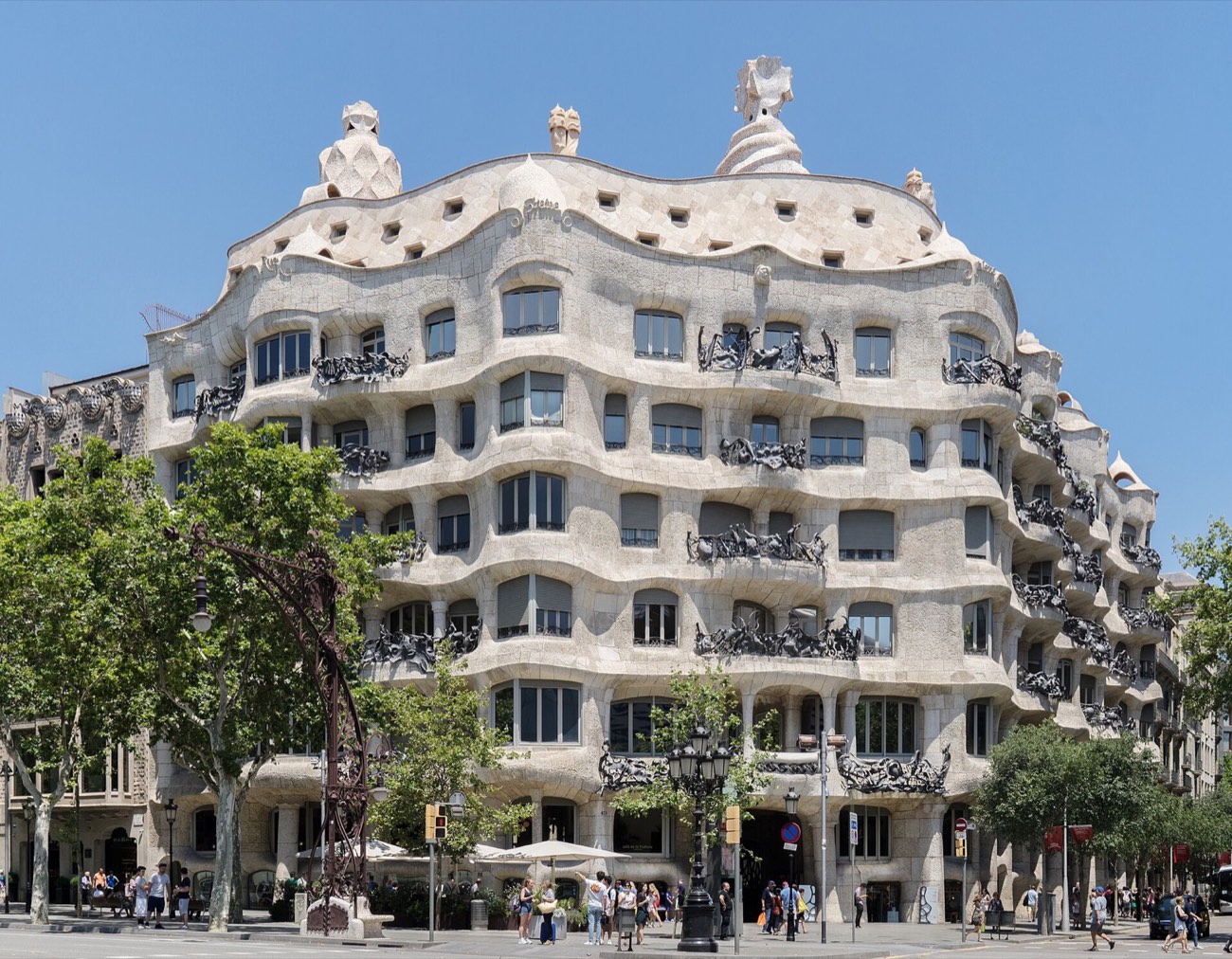
Gaudí's last private commission is a rippling cliff of pale stone on Passeig de Gràcia, crowned by a rooftop of helmeted chimneys that looks like a sculpture park. The visit covers the courtyards, a period apartment, the brick-arched attic and that roof. It is usually calmer than Casa Batlló and more rewarding for anyone interested in how buildings work.
Address: Passeig de Gràcia, 92, 08008 BarcelonaMetro: Diagonal (L3, L5)
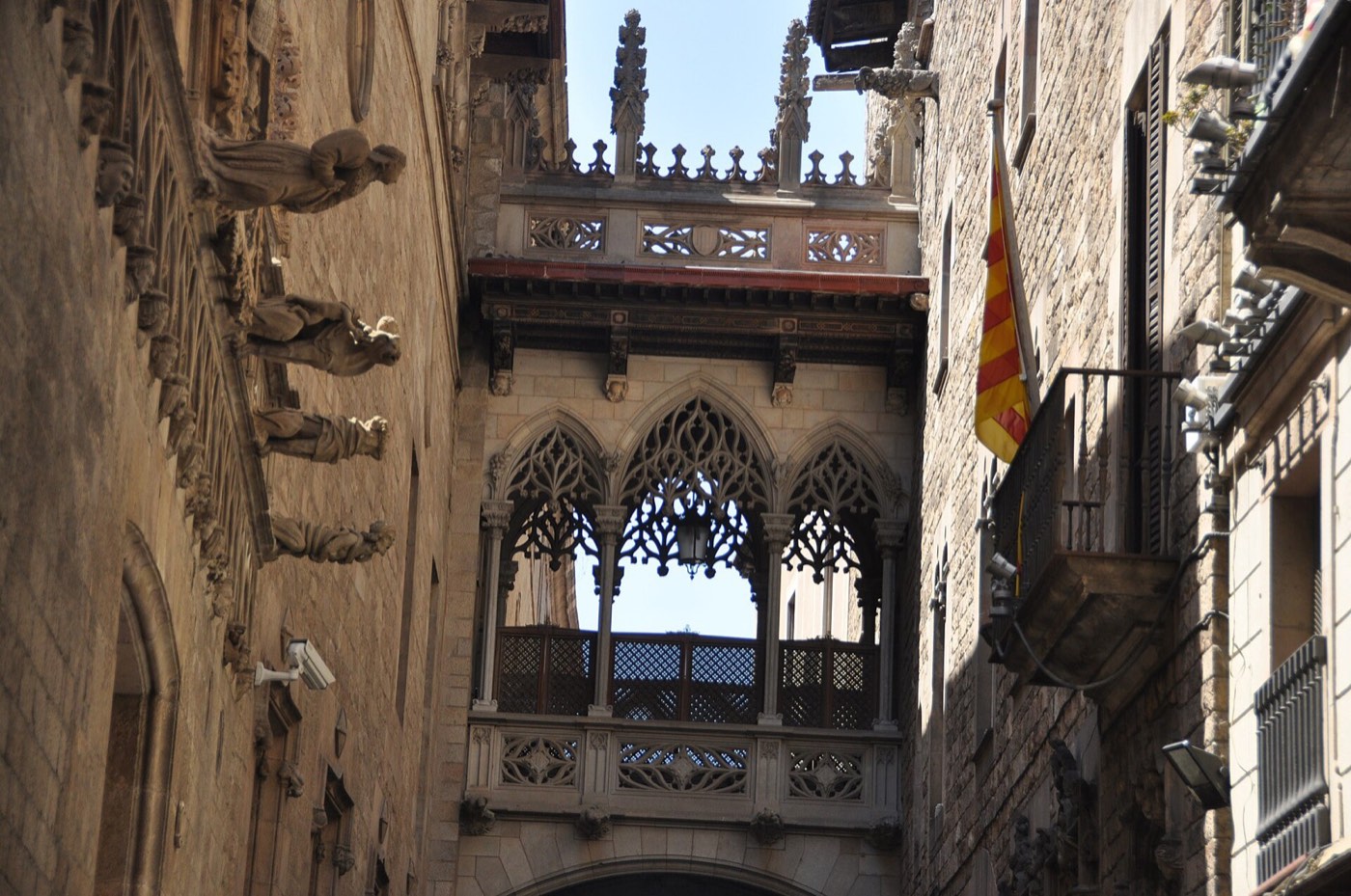
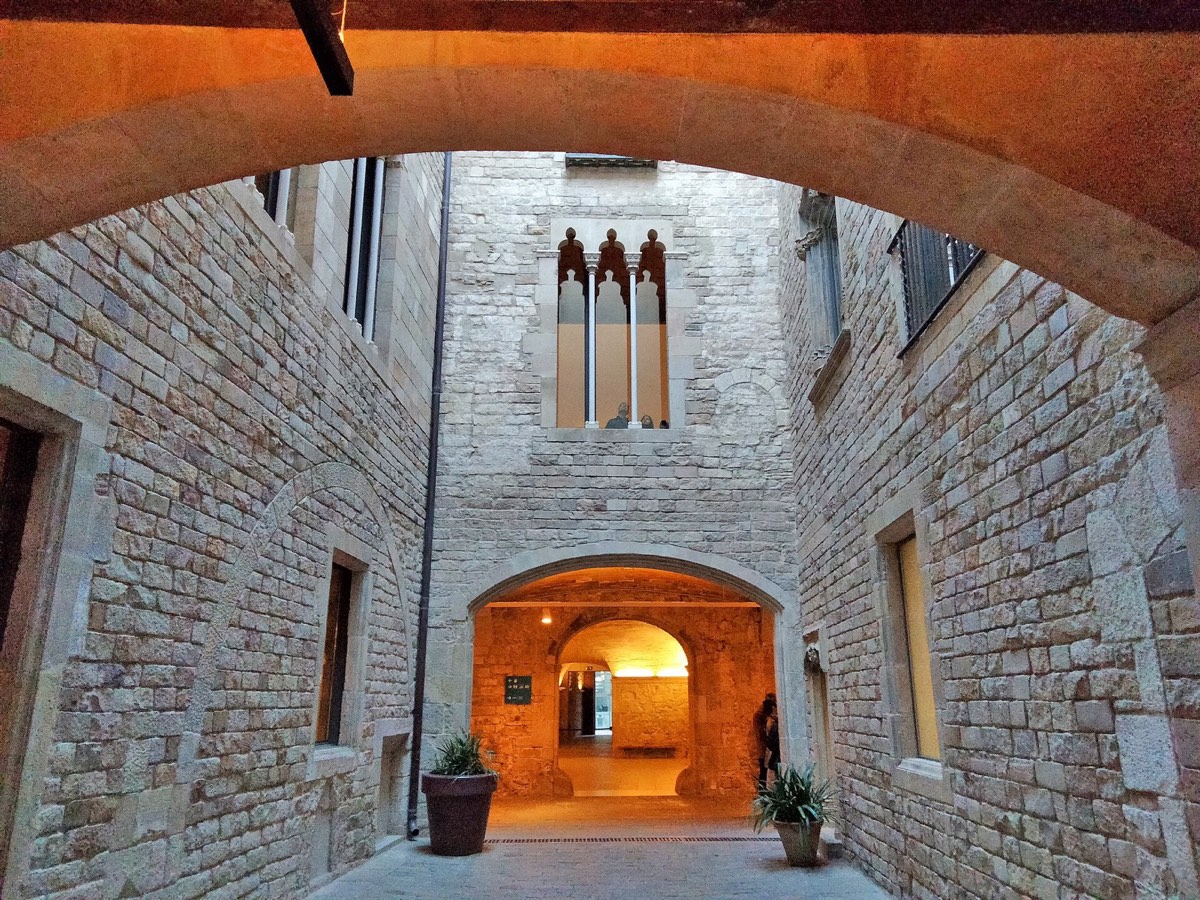
The oldest part of Barcelona, built on top of the Roman colony of Barcino: a knot of narrow lanes, small squares and medieval stone between La Rambla and Via Laietana. Some of it is less ancient than it looks, but it remains the best place in the city to walk without a plan. Go early, before the tour groups.
Address: Between La Rambla and Via Laietana, 08002 BarcelonaMetro: Jaume I (L4) or Liceu (L3)
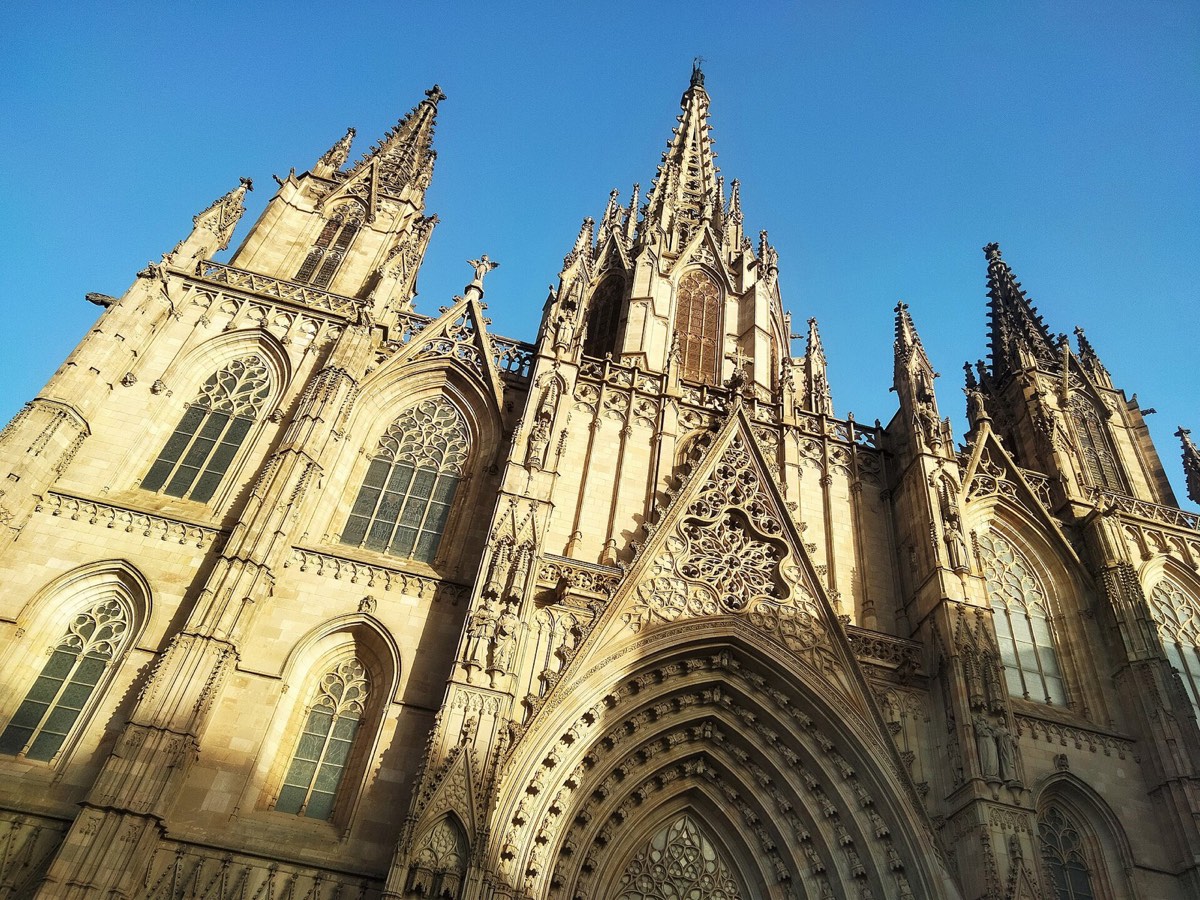
Not the Sagrada Família, which is a basilica: this is the city's actual cathedral, a dark, lofty Gothic church begun in 1298 in the middle of the old town. The ticket includes the choir, the cloister with its thirteen white geese and a lift to the roof for a close look at the spires.
Address: Pla de la Seu, s/n, 08002 BarcelonaMetro: Jaume I (L4)
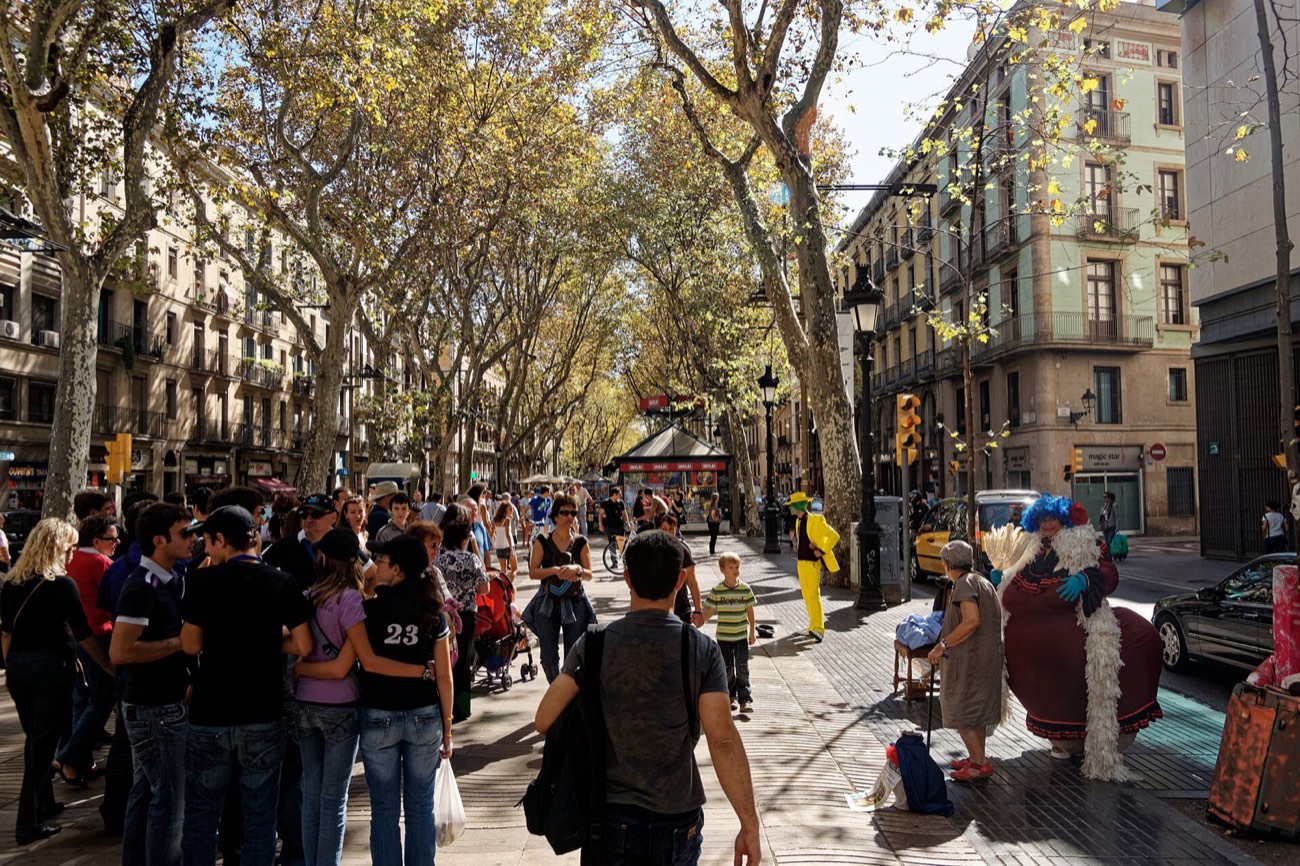
Barcelona's famous tree-lined promenade runs 1.2 kilometres from Plaça de Catalunya down to the port. It is crowded, commercial and a favourite of pickpockets, yet you will end up walking it anyway, and there is real history along the way. A complete rebuild is due to finish in February 2027.
Address: La Rambla, 08002 Barcelona (Plaça de Catalunya to the Columbus Monument)Metro: Catalunya (L1, L3), Liceu (L3) or Drassanes (L3)
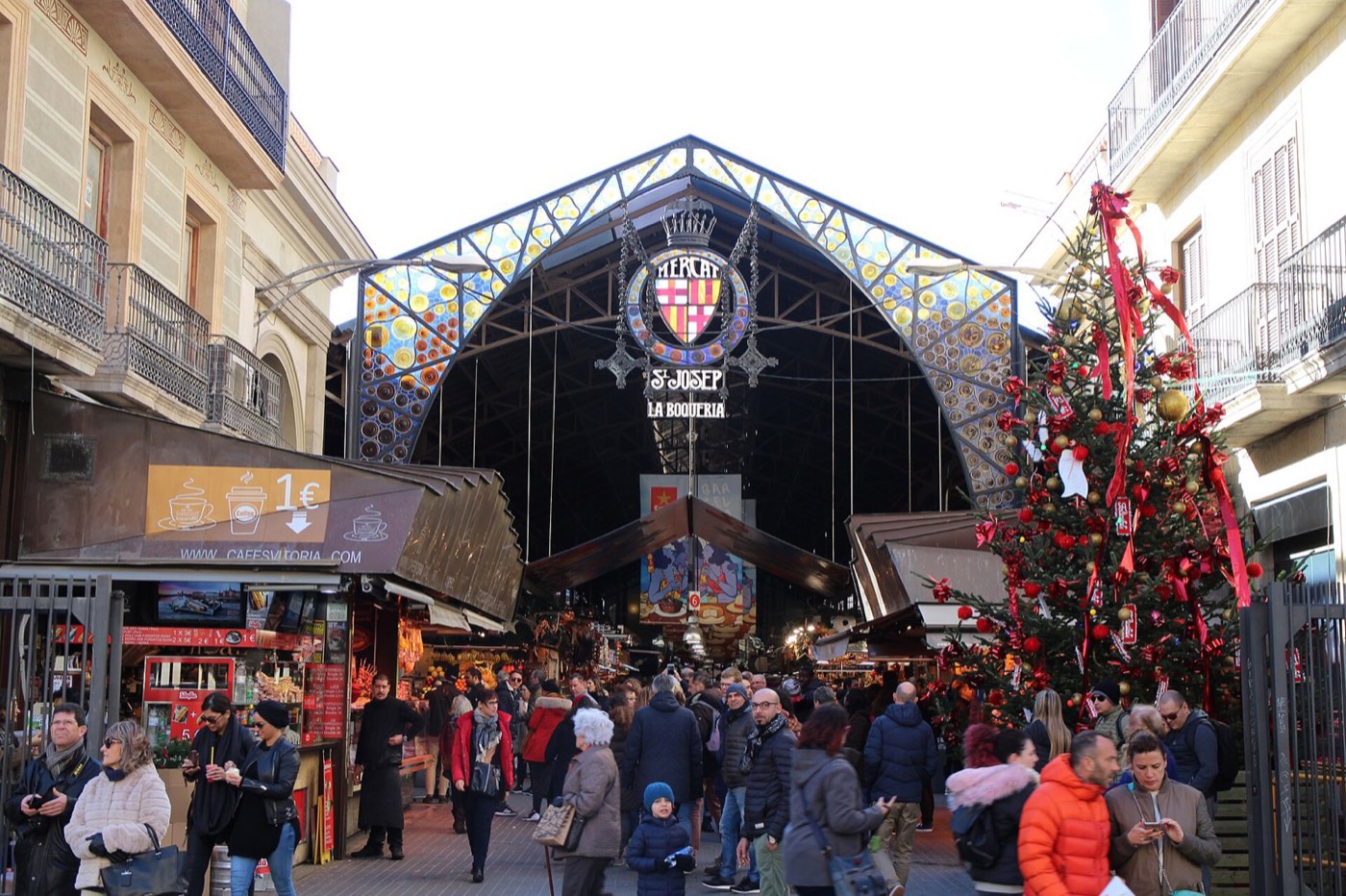
The best-known food market in Spain, under an iron roof just off La Rambla. The front aisles are now given over to fruit cups and ham cones for visitors, but go deeper and you still find serious fishmongers, butchers and wild-mushroom stalls. Come before 10:00, eat at a counter bar and it earns its reputation.
Address: La Rambla, 91, 08001 BarcelonaMetro: Liceu (L3)
The world's key collection of Picasso's early work, hung in five connected medieval palaces on Carrer de Montcada. You will not find the famous Cubist masterpieces here; you will see a teenager who could already paint like an old master, and the complete Las Meninas series. Entry is by timed ticket.
Address: Carrer de Montcada, 15-23, 08003 BarcelonaMetro: Jaume I (L4)
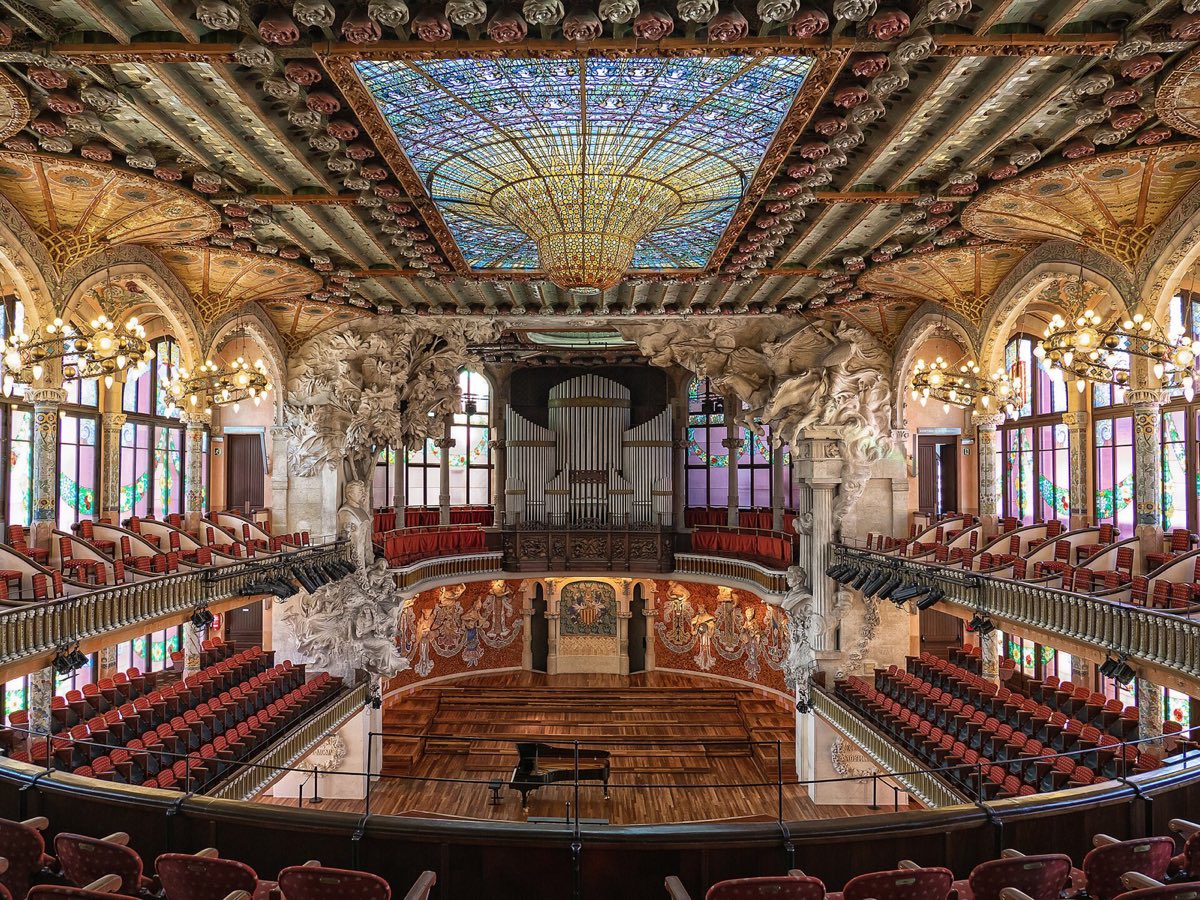
A concert hall that looks like the inside of a jewellery box. Lluís Domènech i Montaner built it between 1905 and 1908 for a Catalan choral society, and it is the high point of Modernisme outside Gaudí's work. Take the 50-minute tour by day or, better, buy a ticket for a concert and see it in use.
Address: Carrer Palau de la Música, 4-6, 08003 BarcelonaMetro: Urquinaona (L1, L4)
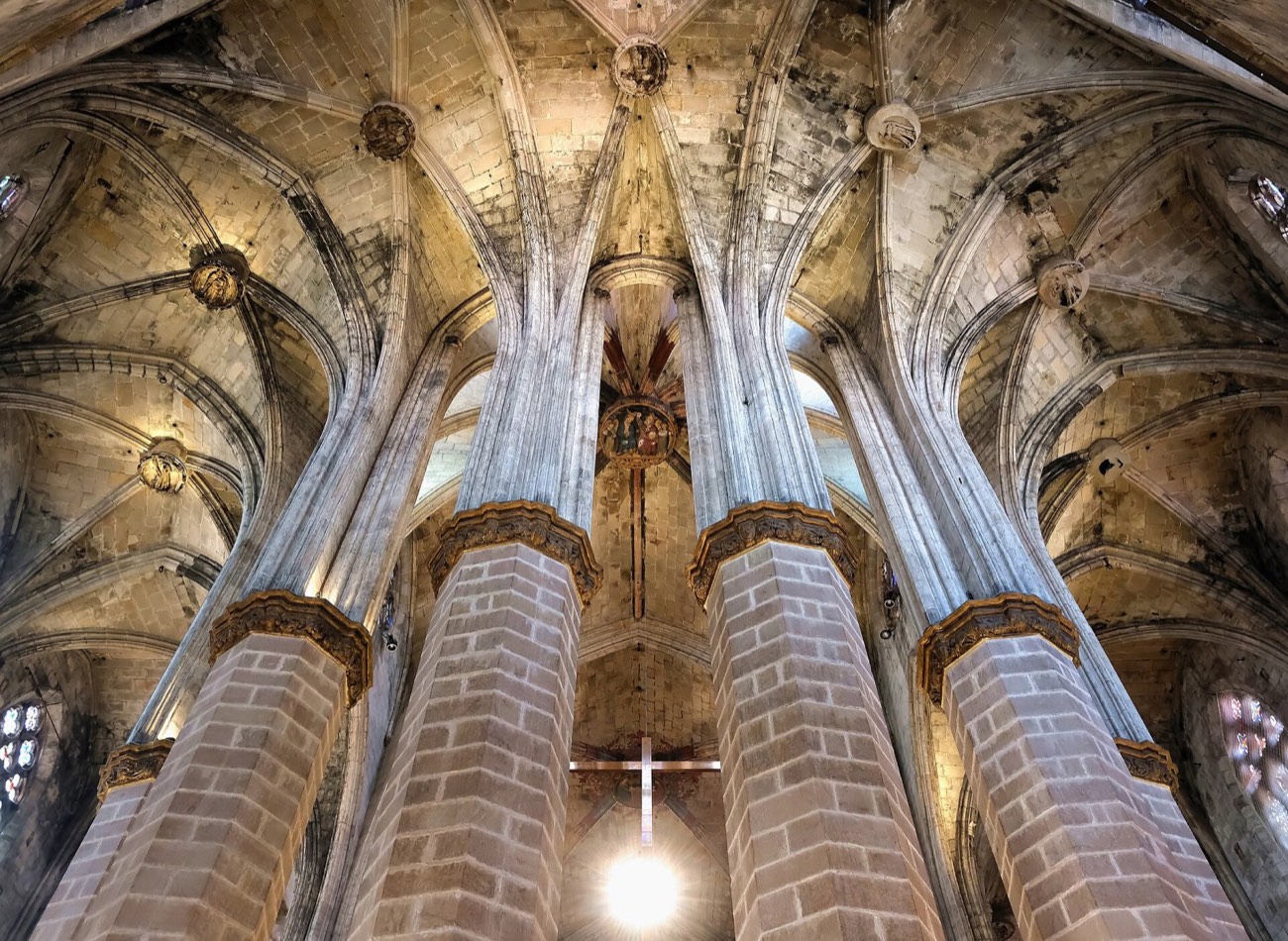
The medieval merchants' quarter east of Via Laietana is the most enjoyable part of the old town: the same narrow lanes as the Gothic Quarter, with better bars, independent shops and fewer tour groups. At its centre are Santa Maria del Mar, the finest Gothic church in the city, and an iron market hall sheltering the excavated streets of 1714.
Address: Around Passeig del Born, 08003 BarcelonaMetro: Jaume I (L4) or Barceloneta (L4)
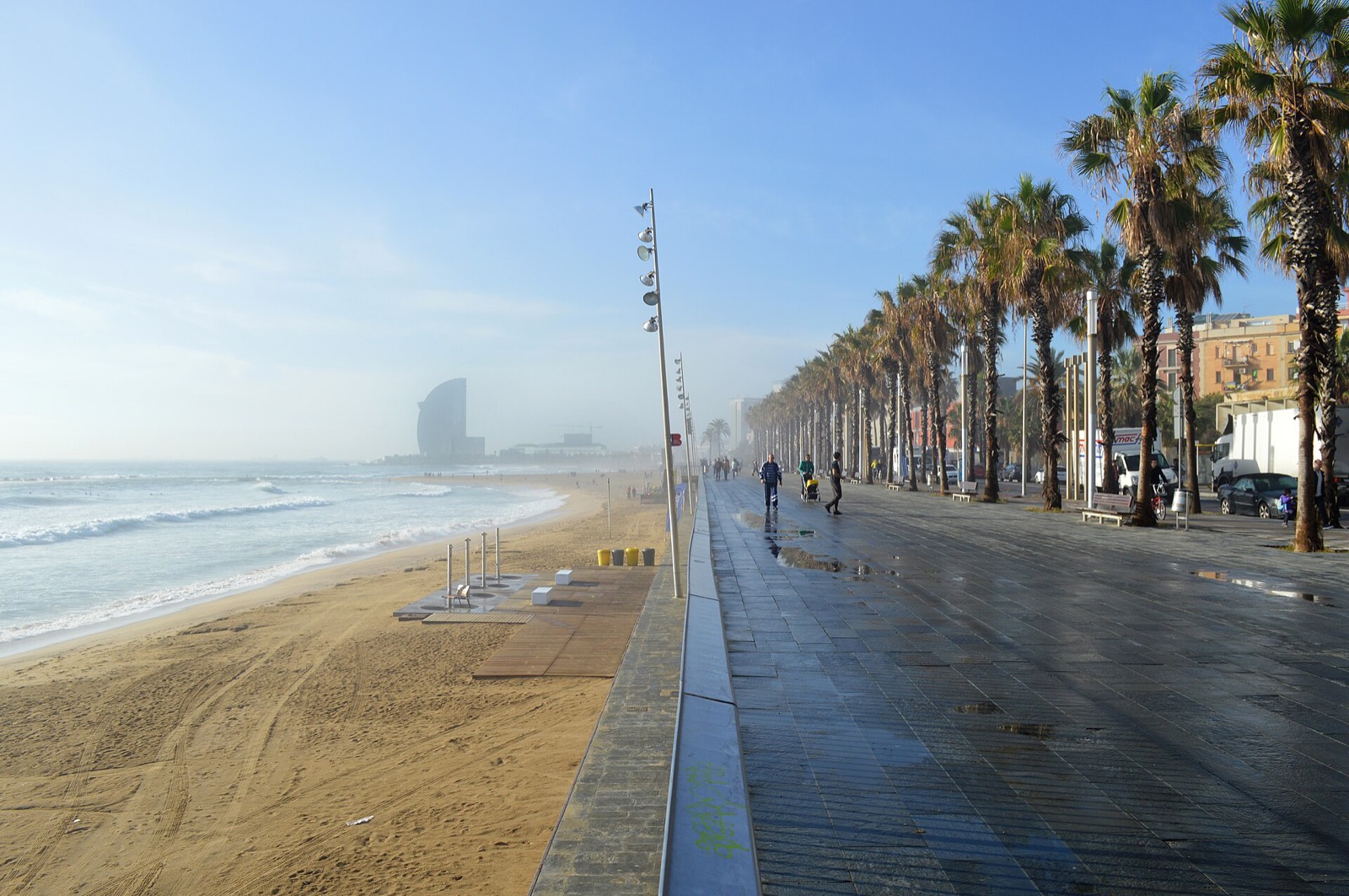
The city's oldest and busiest beach, ten minutes' walk from the old town. It is not the prettiest stretch of sand on the coast and in summer it is packed, but few big cities let you go from a Gothic church to the sea on foot. Come for a swim, a walk along the promenade and a seafood lunch.
Address: Passeig Marítim de la Barceloneta, 08003 BarcelonaMetro: Barceloneta (L4), about a 10-minute walk
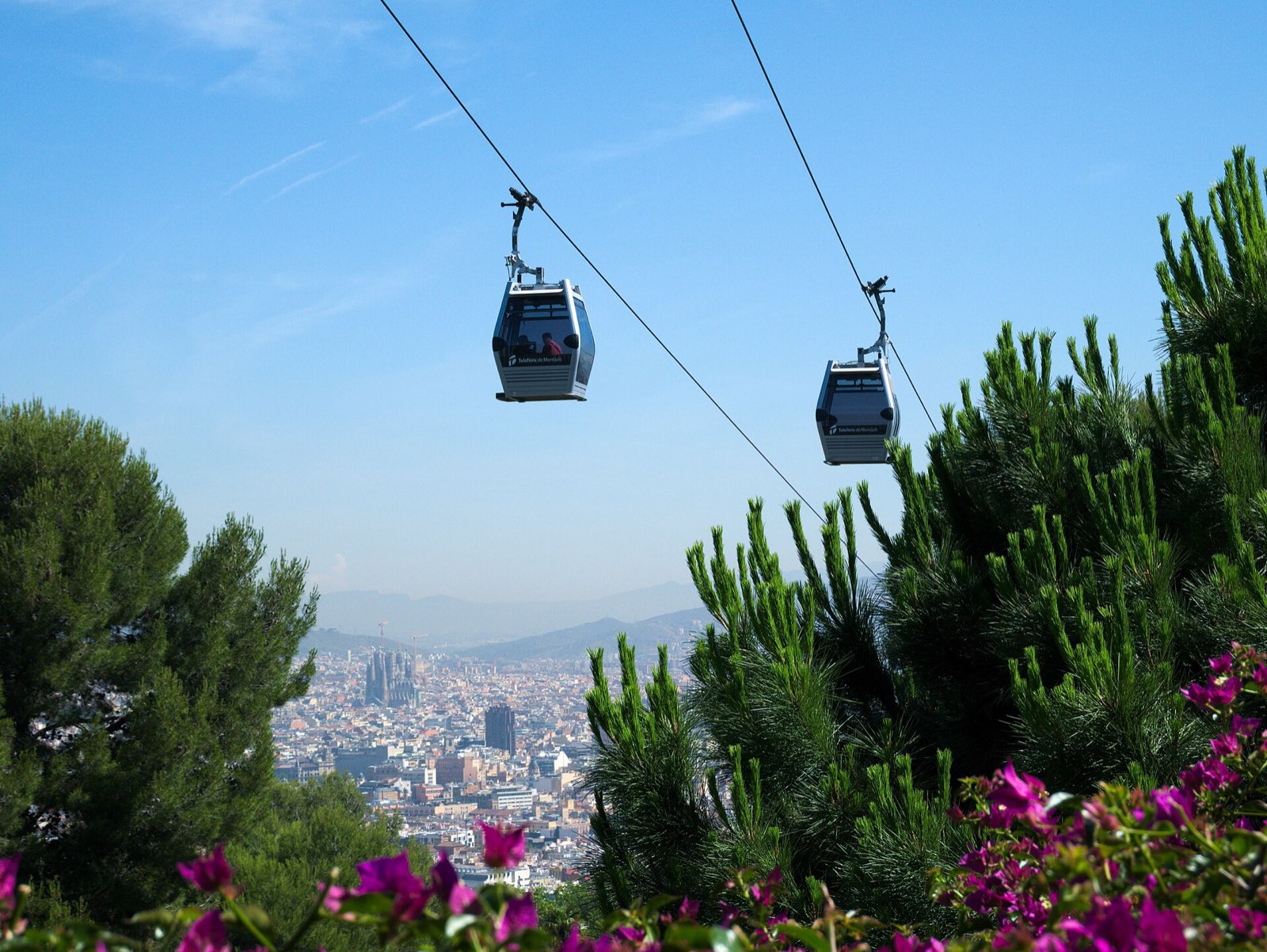
The broad hill between the city and the port holds a hilltop fortress, a cable car, the 1992 Olympic ring, several of Barcelona's best museums and a string of gardens. It is too big for a quick stop: pick a side, or give it most of a day.
Address: Castell de Montjuïc, Carretera de Montjuïc 66, 08038 BarcelonaMetro: Espanya (L1, L3) for the museum side; Paral·lel (L2, L3) for the Montjuïc funicular
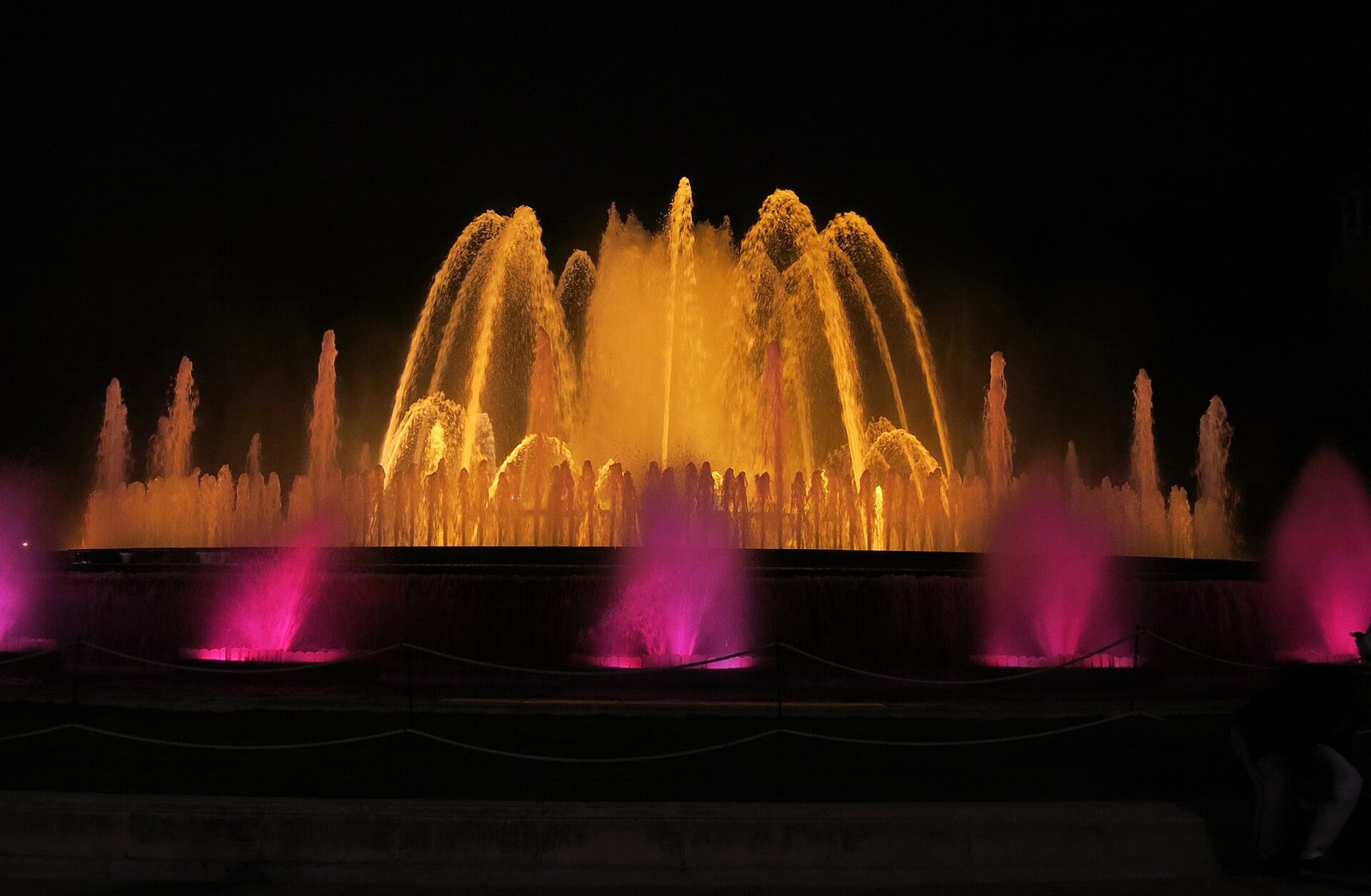
Barcelona's 1929 fountain puts on a free show of water, coloured light and music below the Palau Nacional. After a long drought shutdown the shows are back, but the calendar is thin outside summer and has changed more than once, so check the official page on the day.
Address: Plaça de Carles Buïgas, 1, 08038 BarcelonaMetro: Espanya (L1, L3)
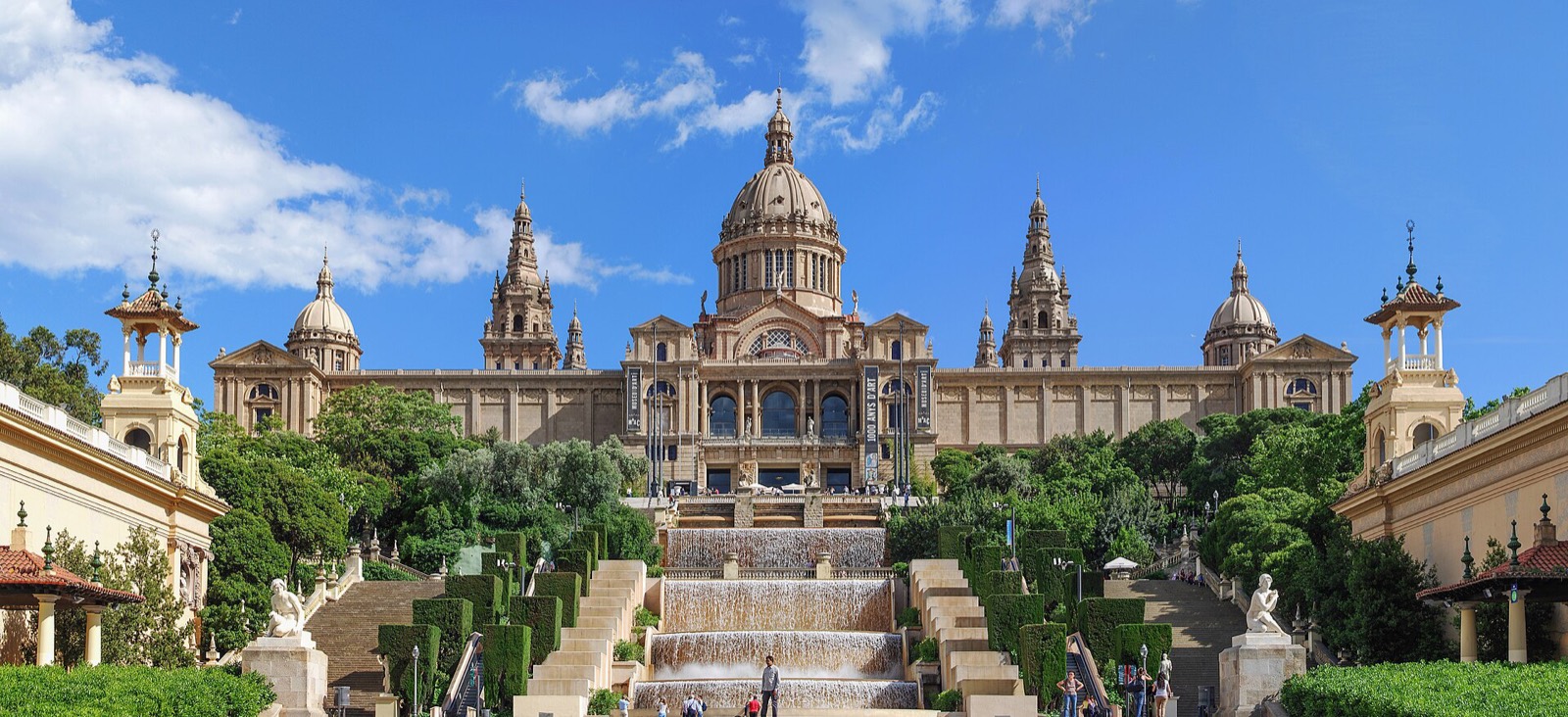
The domed palace above Plaça d'Espanya holds a thousand years of Catalan art, including a collection of Romanesque church murals that has no equal anywhere. At €12, with a free Saturday afternoon, it is the best-value major museum in Barcelona and rarely crowded.
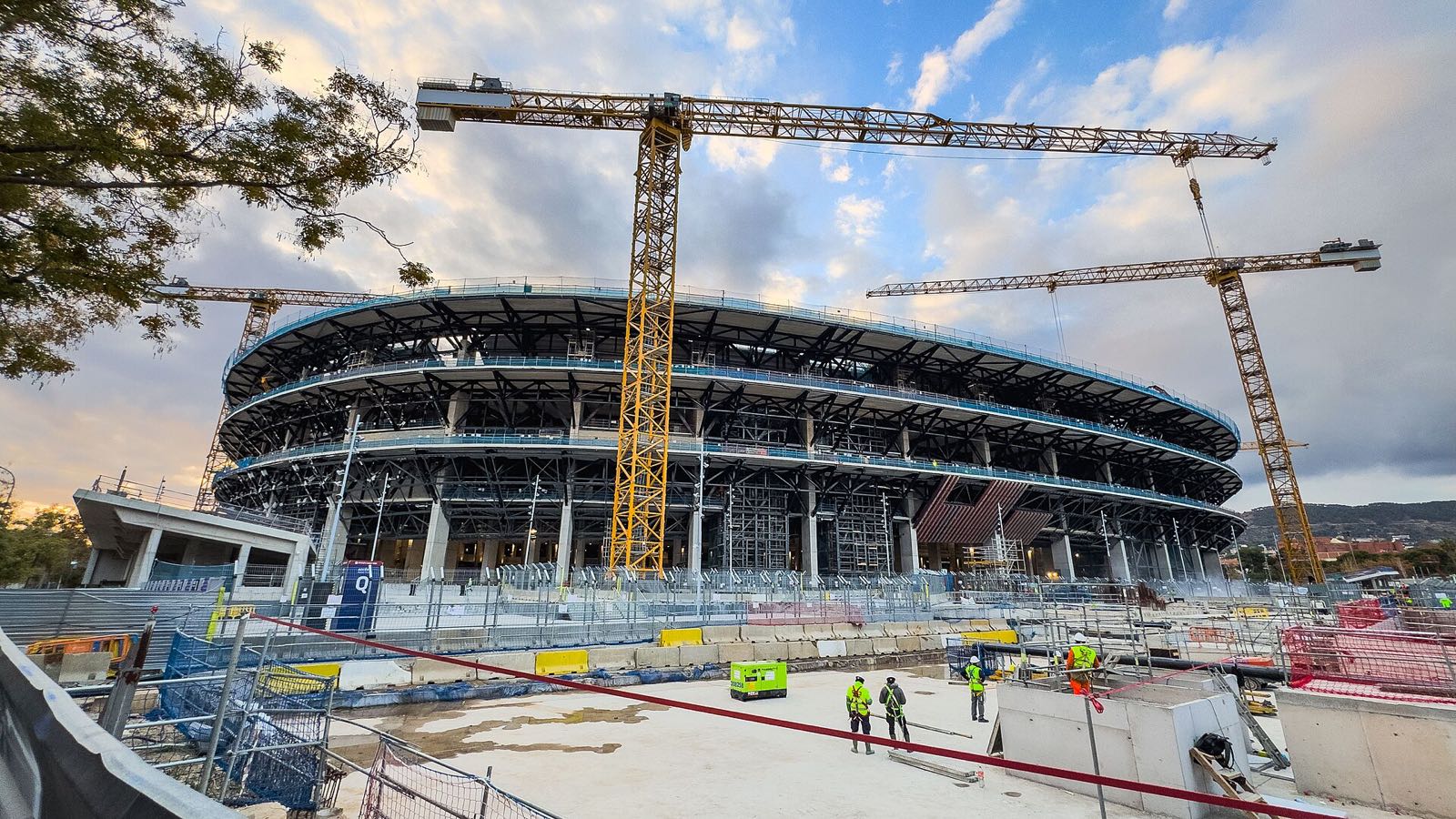
FC Barcelona are back home, but the rebuilt stadium is still unfinished: around 62,000 seats in use, no third tier and no roof yet. The museum visit is open and popular. Expect a club exhibition and a view over the works unless you buy a pricier stadium ticket or go to a match.
Address: Carrer d'Arístides Maillol, s/n (Access 15), 08028 BarcelonaMetro: Collblanc (L5) or Palau Reial / Les Corts (L3)
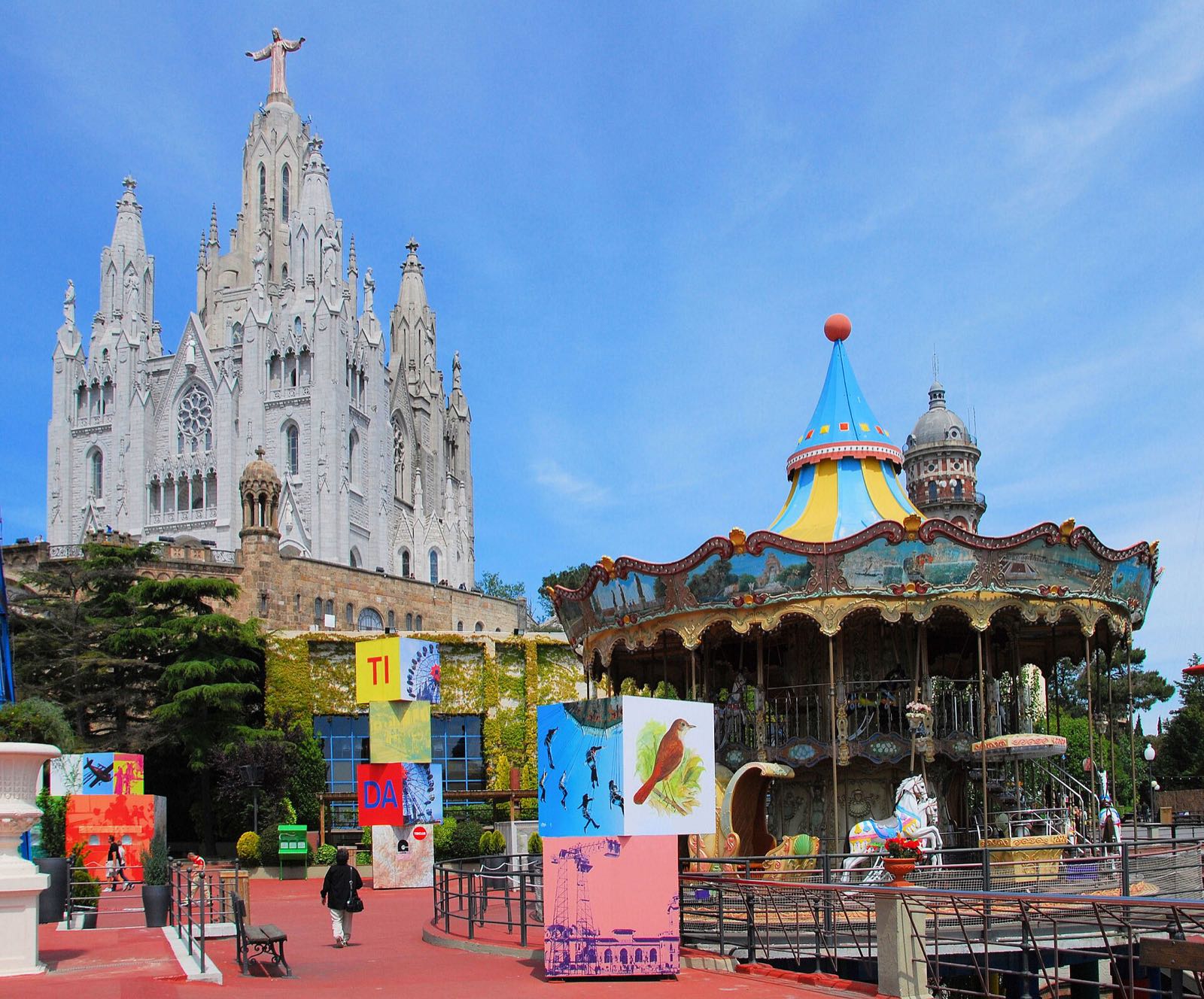
At 512 metres, Tibidabo is the highest point of the hills behind Barcelona, topped by a neo-Gothic church and a small amusement park that turned 125 in 2026. Come for the view over the whole city and the old-fashioned rides, not for thrills.
Address: Plaça del Tibidabo, 3-4, 08035 BarcelonaMetro: Avinguda Tibidabo (FGC L7), then bus 196 to the Cuca de Llum funicular
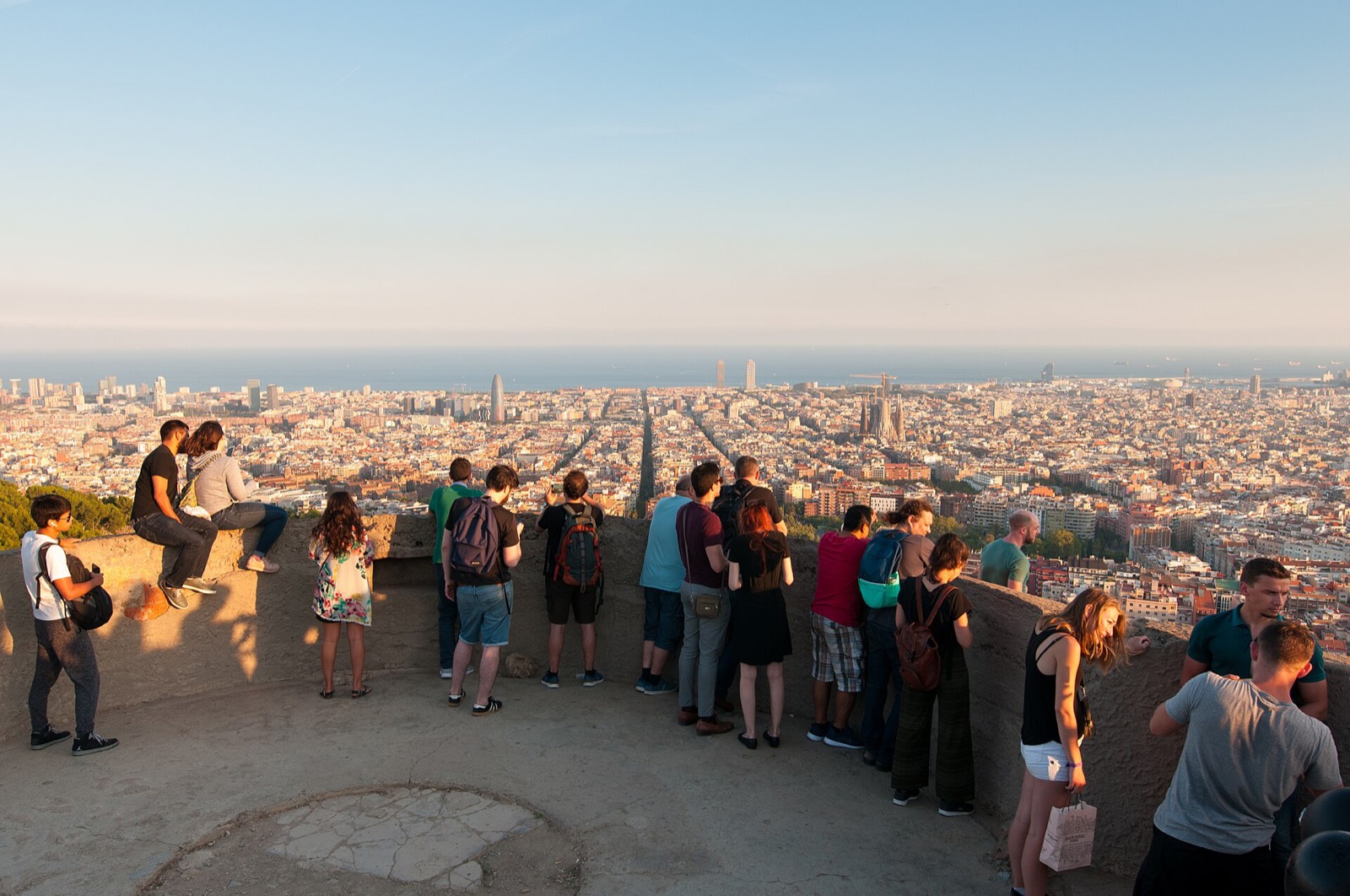
A Civil War anti-aircraft battery on a 262-metre hill with a full 360-degree view of Barcelona. It is still the best free panorama in the city, but the famous sunset parties are over: the site has been fenced since 2023 and is locked every evening.
Address: Carrer de Marià Labèrnia, s/n, 08032 BarcelonaMetro: Alfons X (L4) or El Carmel (L5), then a steep 15-minute walk; bus 119 stops near the top
Barcelona's grandest avenue runs from Plaça de Catalunya up to Gràcia and carries the densest run of Modernista architecture in the city, including Casa Batlló and La Pedrera. Walk it once by day for the details and once after dark, when the façades are lit.
Address: Passeig de Gràcia, 08007 BarcelonaMetro: Passeig de Gràcia (L2, L3, L4) or Diagonal (L3, L5)
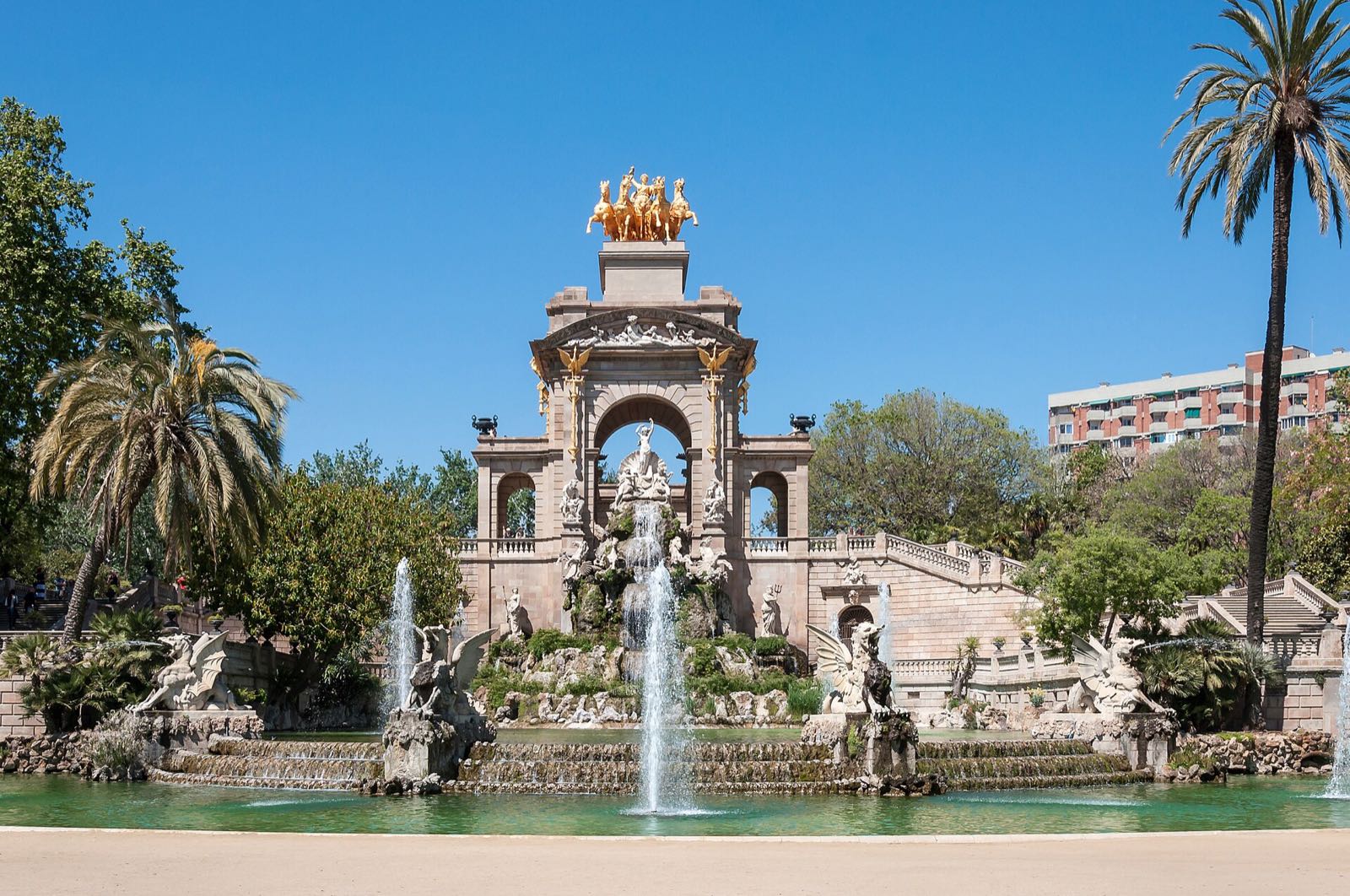
The city centre's main park stands where a hated military citadel once did. It has a monumental cascade, a boating lake, two fine 19th-century glasshouses, the Catalan parliament and the zoo. This is where Barcelona comes to lie on the grass.
Address: Passeig de Picasso, 21, 08003 BarcelonaMetro: Arc de Triomf (L1) or Ciutadella | Vila Olímpica (L4)
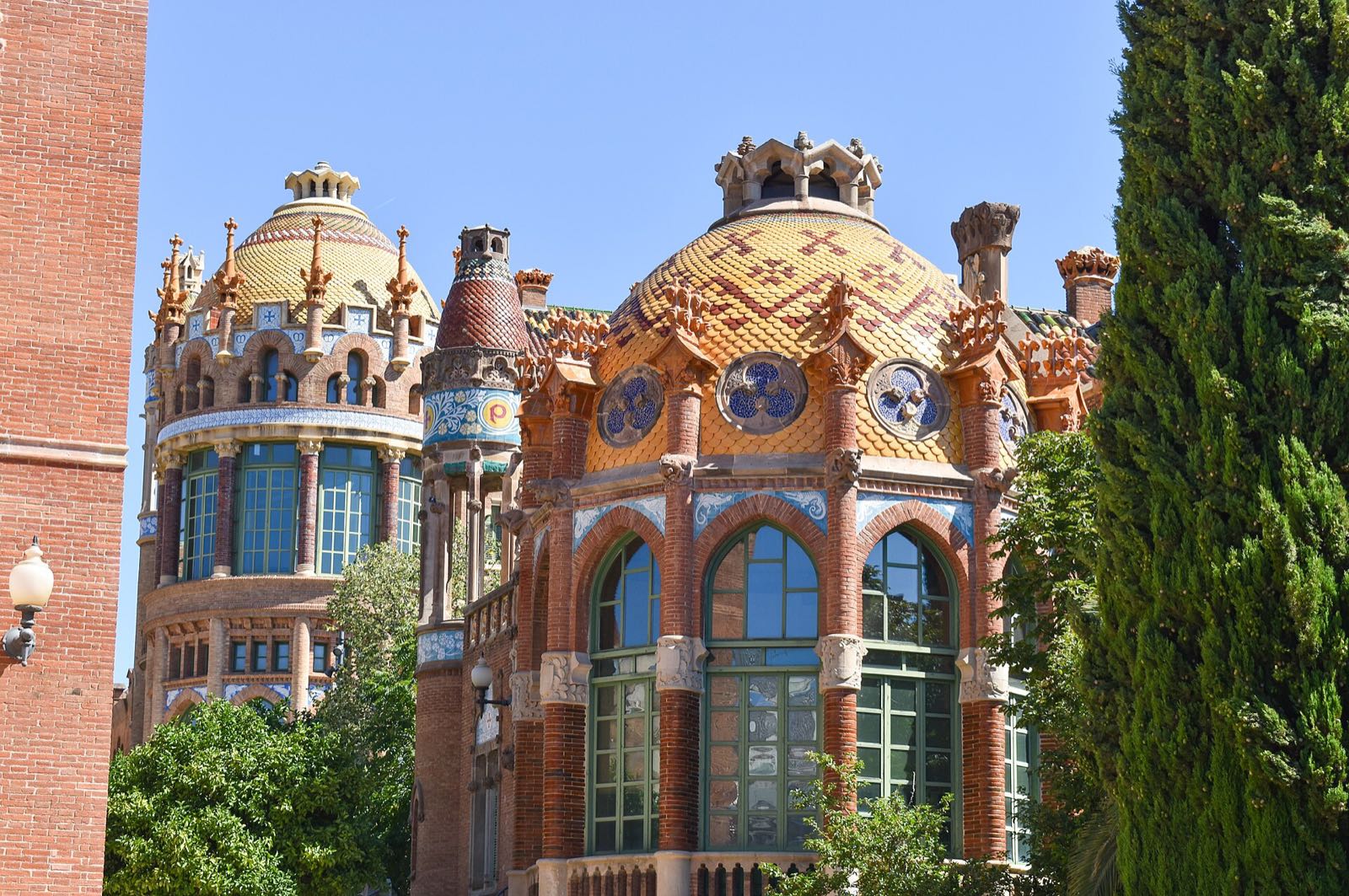
A former hospital built as a garden city of tiled, domed pavilions by Lluís Domènech i Montaner. It is a UNESCO World Heritage site ten minutes' walk from the Sagrada Família and gets a fraction of the visitors. For many people it is the surprise of the trip.
Address: Carrer de Sant Antoni Maria Claret, 167, 08025 BarcelonaMetro: Sant Pau | Dos de Maig (L4)
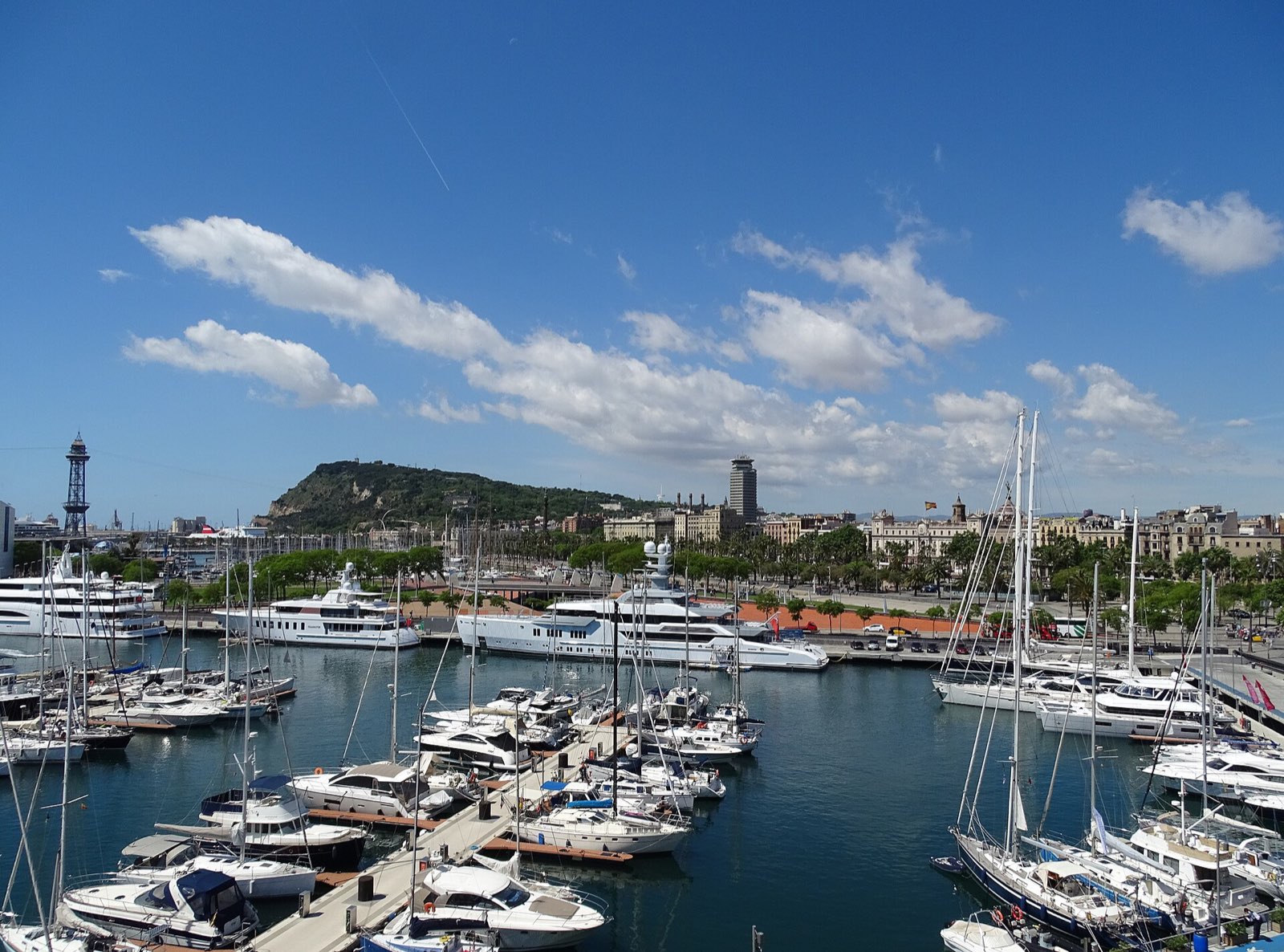
The old harbour at the foot of La Rambla was a closed industrial dock until the 1992 Olympics turned it into a promenade. Today it means the Columbus column, a wooden footbridge over the water, the Aquarium, harbour boats and an easy flat walk towards Barceloneta.
Address: Moll d'Espanya del Port Vell, s/n, 08039 BarcelonaMetro: Drassanes (L3) or Barceloneta (L4)
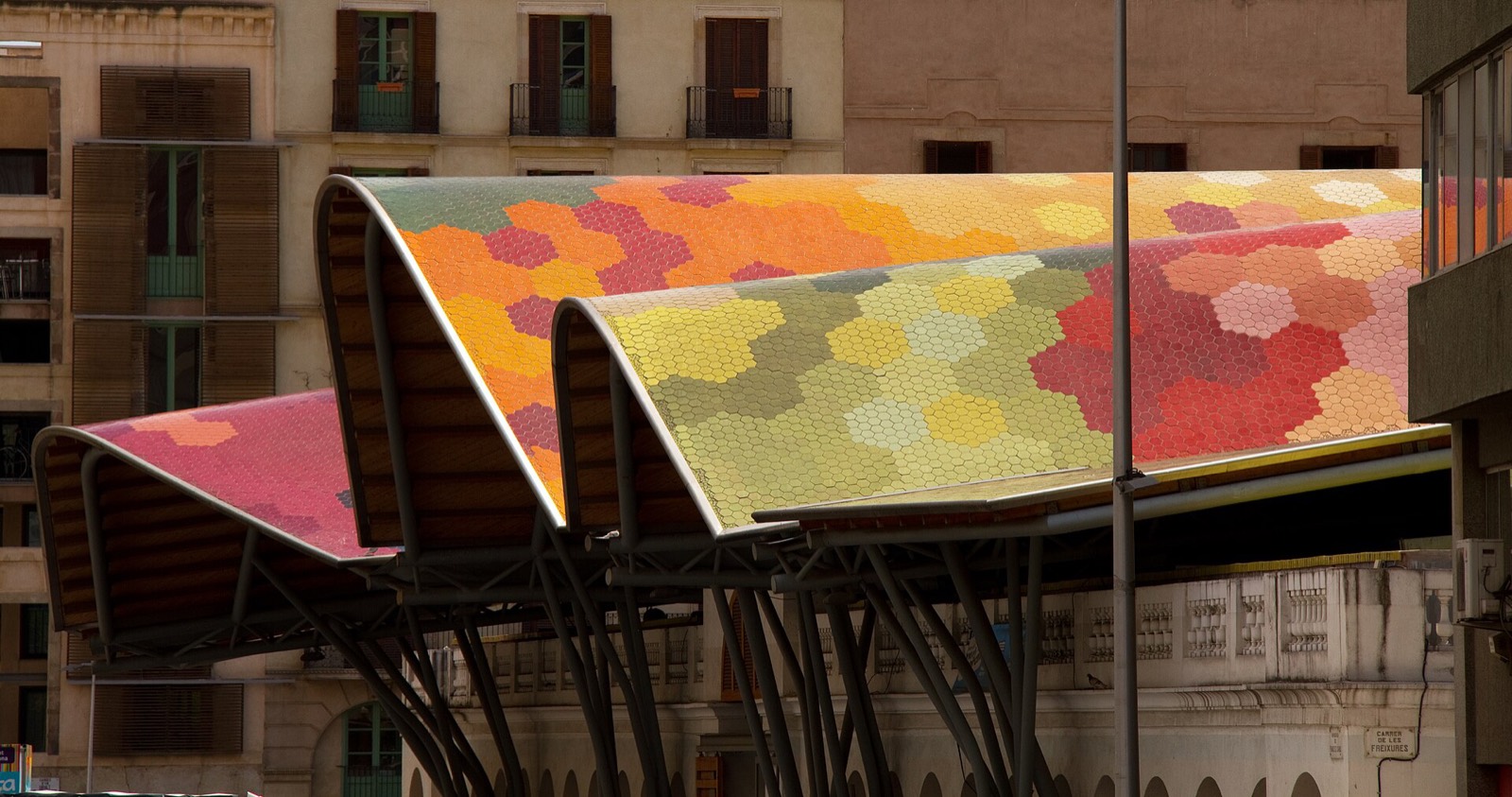
A working neighbourhood food market under an extraordinary wave-shaped roof of coloured ceramic tiles, three minutes from the cathedral. It has most of what La Boqueria offers, with a fraction of the tour groups and stallholders who still have time to serve you.
Address: Avinguda de Francesc Cambó, 16, 08003 BarcelonaMetro: Jaume I (L4)
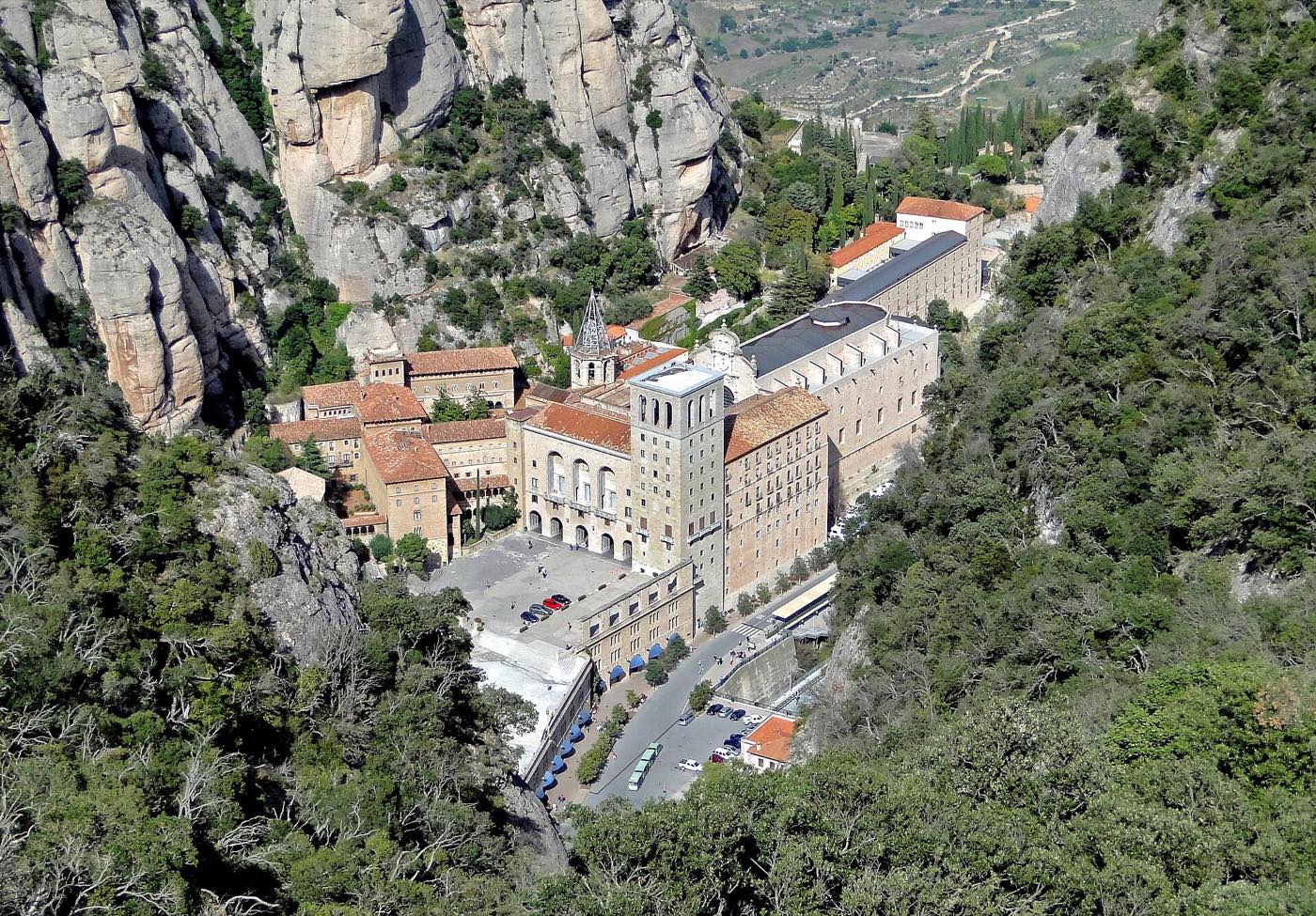
A Benedictine monastery wedged into a mountain of rounded rock pinnacles, home to Catalonia's patron saint and some excellent ridge walks. It is the classic day trip from Barcelona: an hour by train, then a rack railway or cable car up the cliff.
Address: Abadia de Montserrat, 08199 MontserratMetro: Espanya (L1, L3) for the FGC R5 train

 Amigo's pick